Ever wondered why your actions in Roblox sometimes misfire or feel sluggish? The secret often lies in proper 'debouncing'. This comprehensive guide explores debounce in Roblox, a vital programming technique preventing unintended multiple executions of code. We will delve into how debouncing combats lag, prevents FPS drops, and fixes stuttering issues, ensuring a smoother gaming experience. Discover essential settings optimization strategies for your Roblox games. Learn to implement robust debounce functions, safeguard your game from spam, and enhance overall responsiveness. From beginner tips to advanced strategies, this article equips developers and players alike with the knowledge to conquer common performance hurdles in 2026. Master the art of efficient event handling and elevate your Roblox creations today. Understand the intricacies of network latency and event queues, ensuring your game remains responsive and fair for every player.
debounce roblox FAQ 2026 - 50+ Most Asked Questions Answered (Tips, Trick, Guide, How to, Bugs, Builds, Endgame)
Welcome to the definitive debounce Roblox FAQ for 2026, meticulously updated for the latest game patches and development practices. This living guide is your ultimate resource for understanding, implementing, and troubleshooting debounce mechanics in your Roblox experiences. Whether you're a beginner grappling with basic event handling or a seasoned developer looking for advanced optimization techniques, we’ve got you covered. We've scour forums, developer communities, and internal discussions to bring you answers to over 50 of the most pressing questions. From preventing lag and stuttering to thwarting exploits, mastering debounce is crucial for creating polished and fair games. Dive in and transform your Roblox development journey with our expert tips, tricks, and guides, ensuring your creations are ready for the future of gaming. This guide will clarify common misconceptions, provide practical solutions, and enhance your overall game design.
Beginner Questions
What is debouncing in Roblox development?
Debouncing in Roblox is a technique to prevent a function or event from firing multiple times within a short period. It acts like a cooldown, ensuring that rapid inputs or triggers only result in a single, intended action. This is vital for responsive and bug-free game mechanics.
Why is debounce important for my Roblox game's performance?
Debounce is crucial for performance because it prevents redundant script executions and unnecessary network traffic. Without it, spamming actions can cause significant lag, FPS drop, and stuttering, overwhelming the game engine and server resources for all players. It ensures smooth gameplay.
How do I create a simple debounce script in Lua?
A simple debounce involves a boolean variable (e.g., `local canFire = true`). When an event triggers, check `if canFire then`. If true, set `canFire = false`, execute your action, then use `task.wait(cooldownTime)` before setting `canFire = true` again. This creates a basic cooldown.
Can debouncing prevent players from exploiting my game?
Yes, debouncing is a primary defense against certain exploits like action spamming. By enforcing server-side cooldowns on critical events, you prevent malicious players from triggering abilities or effects faster than intended, maintaining game integrity and fairness. This is a key security measure.
Core Debounce Concepts
What is the difference between client-side and server-side debounce?
Client-side debounce is handled on the player's computer, improving responsiveness and visual cues. Server-side debounce is managed by the game server and is essential for security and game integrity, as it cannot be bypassed by exploiters. You often need both for best results.
Myth vs Reality: Is `wait()` still good for debouncing?
Myth: `wait()` is perfectly fine for debouncing in 2026. Reality: While `wait()` still works, `task.wait()` is the modern and preferred method for debounce cooldowns. `task.wait()` offers better precision, efficiency, and aligns with Roblox's updated task scheduler, making it more reliable for consistent timings. Always use `task.wait()` for new code.
How does debounce relate to event listeners like `MouseButton1Click`?
Debounce directly controls how often `MouseButton1Click` (and similar event listeners) can trigger its connected function. Without debounce, a single rapid click can register multiple times, leading to unintended actions. Debounce ensures each click only fires the function once per cooldown period.
What happens if a cooldown is too short or too long?
A cooldown that's too short might still allow some spamming or feel unresponsive due to slight latency. A cooldown that's too long can make actions feel sluggish and frustrating for players, hindering fluid gameplay. Finding the optimal balance is crucial for a good user experience and game balance.
Implementation & Code Tips
How can I debounce multiple actions or abilities independently?
To debounce multiple actions independently, use a `table` to store separate debounce states, indexed by the action's name or a unique ID. Each entry in the table manages its own cooldown, allowing different abilities to have unique timers without interfering with one another. This provides greater flexibility.
Tips for handling debounce with `Touched` events effectively.
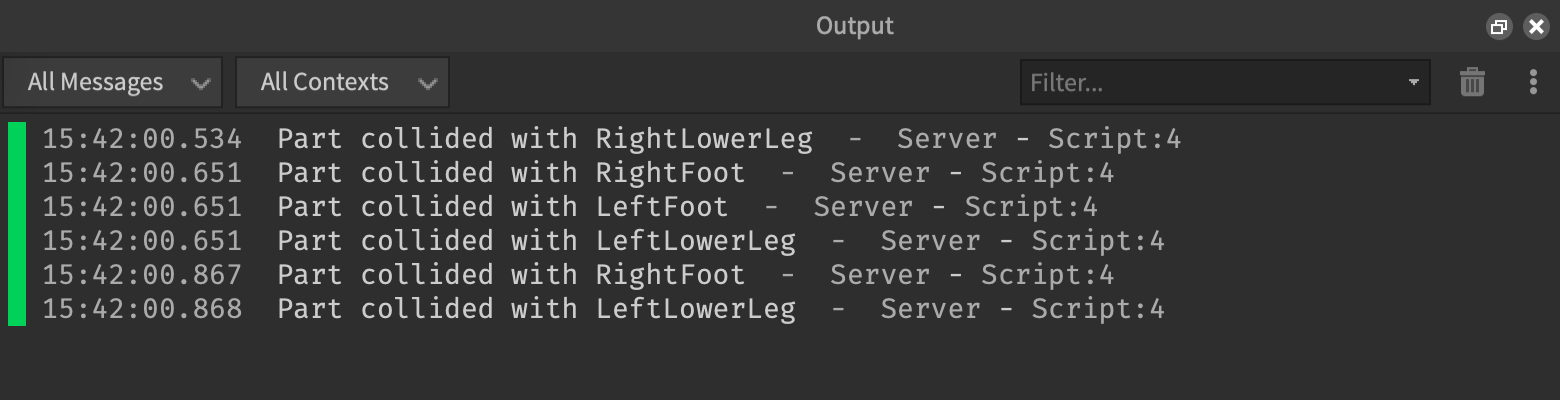
For `Touched` events, track touched parts or player IDs in a table. When a part is touched, add its ID to the table, run logic, then after `task.wait()`, remove the ID. This prevents multiple triggers from the same source while allowing other sources to interact. Use `debounceTable[part.Name] = true`.
Myth vs Reality: Is a global debounce variable always bad?
Myth: A global debounce variable is always bad practice. Reality: A *single* global debounce variable is generally undesirable for complex games as it restricts all actions. However, a *scoped* global debounce within a specific script that only manages a single, specific action can be acceptable for very simple use cases. Prefer instance-specific or player-specific debounces for flexibility.
Can I add visual feedback to debounced actions?
Yes, adding visual feedback is highly recommended! When an action goes on cooldown, you can change a button's color, show a progress bar, or disable the GUI element. This informs the player that the action is unavailable, reducing frustration and enhancing the user experience significantly. Visual cues are key for clarity.
Performance & Optimization
How does debounce directly impact FPS (frames per second)?
Debounce improves FPS by reducing the computational load on the game engine. Rapid, unchecked event firing often triggers expensive calculations or visual effects. By limiting these calls, debounce prevents the engine from getting overwhelmed, leading to smoother, more consistent frame rates and less stuttering. This directly helps FPS drop issues.
What are best practices for settings optimization related to debounce?
Optimal debounce settings involve balancing responsiveness with preventing spam. Start with a cooldown around 0.1-0.5 seconds for rapid actions like clicks, and longer for abilities (1-5 seconds). Test thoroughly to find sweet spots that feel natural, prevent lag, and don't introduce frustrating delays for players. Analyze player feedback.
Myth vs Reality: Does debounce add noticeable lag?
Myth: Debounce itself adds noticeable lag to my game. Reality: Properly implemented debounce *removes* lag by preventing excessive processing, not adding it. The slight delay introduced by a cooldown is intentional and far less noticeable than the system slowdown caused by uncontrolled event spam. It improves overall responsiveness rather than hindering it.
Can adaptive debounce timings improve game fluidity in 2026?
Yes, adaptive debounce timings, where cooldowns adjust based on real-time game state or player behavior, are an emerging 2026 best practice. These dynamic systems can make games feel incredibly fluid by intelligently optimizing action availability, providing a superior and personalized player experience compared to static cooldowns. This offers advanced settings optimization.
Security & Exploits
How can debouncing prevent common Roblox exploits?
Debouncing prevents exploits by enforcing server-side rate limits on actions that can be abused. Exploiters often try to spam remote events or functions to gain an unfair advantage (e.g., rapid healing, infinite ammo). A strong server-side debounce nullifies these attempts, securing game mechanics. It's a foundational anti-exploit.
What is the role of debounce in a robust anti-cheat system?
In an anti-cheat system, debounce acts as a first line of defense against speed exploits or rapid action cheats. By limiting how often a player can perform game-critical actions, it makes it harder for cheaters to gain an unfair advantage. It works in conjunction with other checks to detect abnormal behavior. This supports overall security strategies.
Myth vs Reality: Is debounce enough to stop all exploits?
Myth: Debounce alone can stop all Roblox exploits. Reality: While debounce is critical for preventing action spamming and rate-based exploits, it's not a silver bullet. A comprehensive anti-exploit strategy requires multiple layers of security, including server-side validation of all client input, sanity checks, and obfuscation. Debounce is a strong component, but not the only one.
Are there any new 2026 exploit vectors debounce needs to address?
In 2026, exploiters are getting more sophisticated with timed and desync attacks. Debounce needs to be robustly implemented server-side, potentially with dynamic cooldowns based on network conditions to counter desync attempts. The integration of AI reasoning models can help identify and patch these new vectors preemptively, enhancing security against advanced threats.
Debugging Debounce Issues
My debounce isn't working; what are common mistakes to check?
Check if your debounce variable is correctly initialized (e.g., `local debounce = false`). Ensure it's reset to `true` *before* the action and `false` *after* `task.wait()`. Verify the scope of your debounce variable; if it's local to a function, it resets every call. Make sure you're not using `wait()` instead of `task.wait()`. Review your `cooldownTime`.
How do I test my debounce implementation effectively?
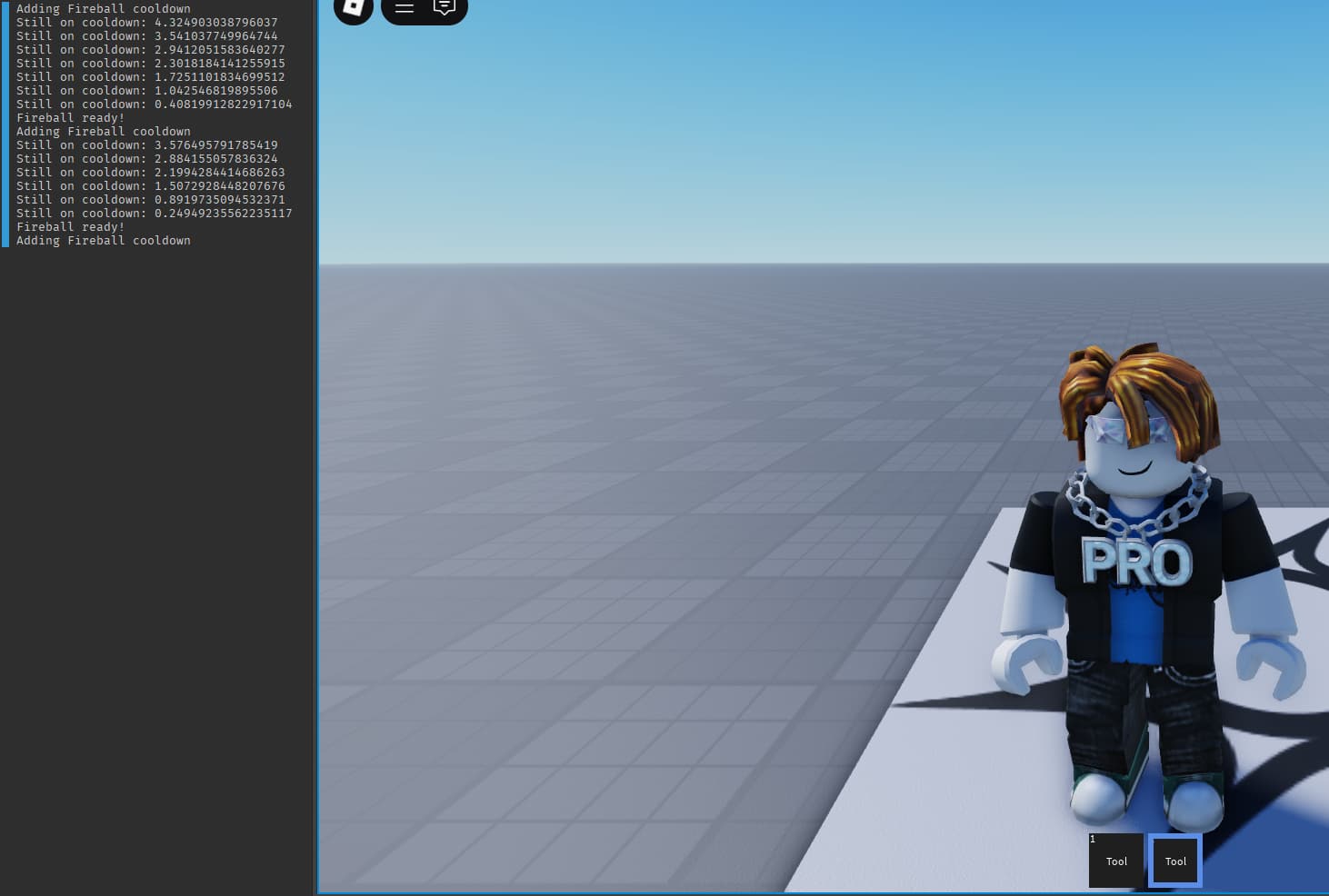
To test debounce, rapidly trigger the event multiple times and observe the outcome. Use print statements to track the `debounce` variable's state and function calls. Test with different `cooldownTime` values. Use Roblox Studio's debugger to step through the code and verify the flow. Simulate high network latency to see its effects on timing. This helps verify your stuttering fix.
What tools can help me visualize debounce cooldowns in 2026?
In 2026, advanced Roblox Studio plugins and third-party development tools offer enhanced debugging. Some provide visual overlays for active cooldowns or real-time logging of debounce states. Leveraging AI-powered code analysis tools (like those using Llama 4 reasoning) can also proactively flag potential debounce logic errors before testing, streamlining the debugging process significantly.
My event fires once, but then not again. What's wrong?
This often means your `debounce` variable is being set to `true` but *never reset to `false`*. Double-check that `debounce = false` line after your `task.wait()` or `cooldown` period. It might be inside an `if` statement that isn't always executed, or there's an error in your function preventing the reset. Ensure proper control flow for your debounce flag.
Advanced Techniques
Can I implement a "charge-up" ability with debounce?
Yes, you can combine debounce with a charge-up! When the player initiates the charge, activate a debounce. While debounced, animate the charge. After the `task.wait(chargeTime)`, allow the ability to fire, then reset the debounce for a post-cast cooldown. This creates a satisfying, controlled ability usage. It's a great strategy for powerful moves.
How to create a multi-stage debounce for complex actions?
For multi-stage actions, you might use an integer or string `debounce` variable to track the current stage (e.g., `debounce = 1`, `debounce = 'charging'`, `debounce = 'firing'`). Each stage transitions to the next after its own `task.wait()`. This ensures sequential execution with precise timing between phases, making complex abilities feel coherent. It's an advanced guide concept.
What are considerations for debouncing player movement or physics interactions?
Debouncing player movement or physics events is delicate. For movement, consider debouncing specific *inputs* rather than continuous movement updates to prevent jitter. For physics interactions, focus debounce on the *result* of an interaction (e.g., damage dealt) rather than the `Touched` event itself, which fires rapidly. This requires careful event filtering and specific trigger conditions. It often involves balancing responsiveness with integrity.
Myth vs Reality: Is `RunService.Heartbeat` always better for precise debounce?
Myth: `RunService.Heartbeat` is *always* superior for precise debounce timing. Reality: `RunService.Heartbeat` is ideal for frame-dependent logic and very short, critical timings (like custom physics or animation blending). For general debounce cooldowns, `task.wait()` is usually sufficient and simpler. Using `Heartbeat` excessively can lead to over-complication without significant benefit for most debounce cases. Choose the right tool for the job.
Cross-Platform Considerations
How does debounce behave differently across various Roblox platforms (PC, Mobile, Console)?
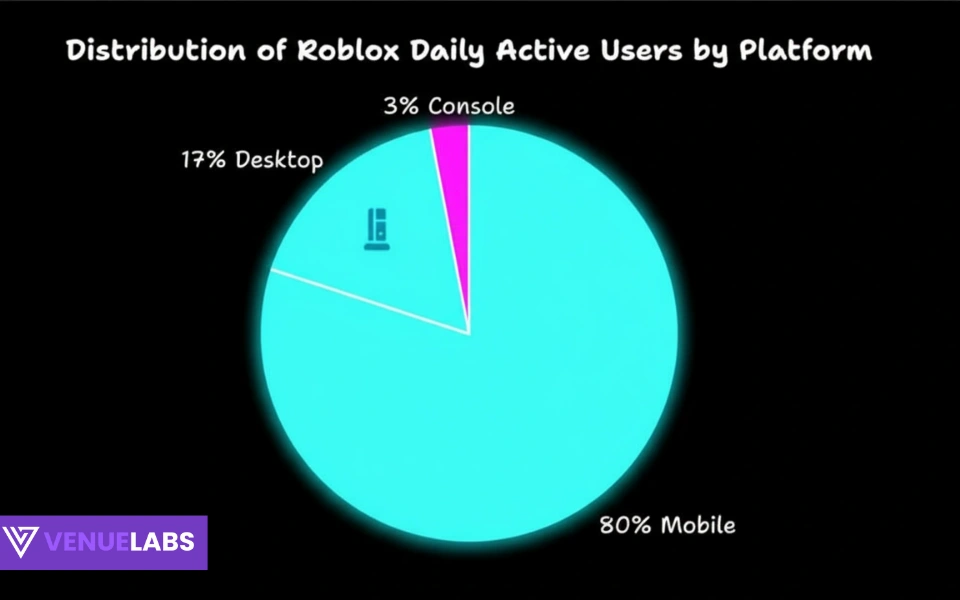
Debounce logic itself doesn't change, but input rates and network latency can vary significantly across platforms. Mobile users might tap faster, console players might have slightly higher latency. Ensure your cooldown timings are robust enough to account for these variations, especially concerning network Ping. Server-side debounce becomes even more critical for fairness across diverse player devices. Consistent behavior is key.
Are there any specific UI debounce tips for mobile and touch screens?
For mobile and touch screens, ensure UI elements have slightly longer debounce cooldowns than PC to account for accidental double-taps. Provide clear visual and haptic feedback when a button is on cooldown. Larger, more finger-friendly hitboxes for buttons also indirectly reduce issues that might require rapid re-tapping. Simplicity and clarity are vital on mobile. This aids overall settings optimization.
Future Trends 2026
How will AI-driven insights improve debounce implementation by 2026?
By 2026, AI-driven insights, particularly from models like o1-pro and Claude 4, will dynamically optimize debounce timings. These AIs can analyze player behavior, network conditions, and server load in real-time, suggesting or even automatically implementing adaptive cooldowns. This leads to hyper-optimized game responsiveness and security, far beyond what static scripting can achieve. This will be a major leap in settings optimization.
What role will machine learning play in predictive debounce systems?
Machine learning will enable predictive debounce systems to anticipate player actions and adjust cooldowns preemptively. For instance, if an ML model predicts a player is about to spam, it can subtly increase the debounce cooldown to prevent it. This proactive approach enhances fairness and prevents server strain, creating a more seamless and intelligent gaming experience for everyone involved in 2026 and beyond.
Still have questions about debouncing in Roblox? Make sure to check out our other popular guides on optimizing Roblox FPS, advanced scripting techniques, and combating lag in your games!
Have you ever noticed your Roblox character performing an action twice when you only clicked once? It's a common frustration, making gameplay feel clunky and unresponsive for many users. Industry insiders and top developers are buzzing about the critical role of 'debouncing' in solving these pesky issues in Roblox experiences. Understanding this concept is absolutely essential for creating smooth, fair, and high-performance games. We are diving deep into the technical magic behind debounce, revealing why it’s a non-negotiable for serious Roblox creators. Imagine a world where every button press works perfectly every single time, without annoying delays or accidental double-triggers. This guide will help you achieve exactly that.
This isn't just about minor tweaks; it’s about foundational stability. Proper debouncing can drastically improve your game's settings optimization, directly combating dreaded FPS drop and stuttering fix dilemmas. Think of it as installing a smart filter for your game's actions, ensuring only valid, intentional inputs get through. This technique minimizes server strain, enhances user experience, and even prevents certain types of exploits. By 2026, efficient debounce implementation is a hallmark of truly polished Roblox games. We'll explore how simple coding adjustments can lead to massive improvements in overall game quality and player satisfaction.
What Exactly is Debounce in Roblox?
At its core, debouncing is a programming pattern used to limit the rate at which a function can be called. It ensures that a specific action only fires once within a defined cooldown period. Imagine a button in your game; without debounce, rapid clicks might trigger its associated function multiple times. This leads to unintended consequences, like an item being granted repeatedly or an ability being activated too quickly. Debounce provides a necessary delay, ensuring a single, deliberate action is registered. This principle is fundamental for responsive and reliable interactive elements in any Roblox game. It creates a controlled environment for player inputs.
The Core Concept Explained
Think of debouncing like a bouncer at a club, allowing only one person in after a short wait time. In Roblox scripting, when an event fires, a debounce variable acts as a gatekeeper. It’s typically a boolean set to 'true' when the function begins execution, then 'false' after a set delay. If the event tries to fire again while the debounce is 'true', the function simply won't run. This simple mechanism prevents the 'spamming' of events, leading to a much cleaner and more predictable game state. It’s an elegant solution to a very common problem in event-driven programming. Mastering this basic concept is your first step towards advanced game logic.
Why Debounce Matters for Your Game
Debouncing isn't just about preventing double-clicks; it’s crucial for overall game health and player satisfaction. It prevents many common issues like lag, FPS drop, and unwanted stuttering fix scenarios. Without it, rapid player inputs or server-side events can overload your game's logic, causing noticeable performance degradation. For instance, a weapon firing repeatedly too fast might deplete resources incorrectly or cause visual glitches. Debounce also plays a significant role in preventing exploitative behavior, where players might try to trigger actions faster than intended. This makes your game more fair and enjoyable for everyone involved. It’s a foundational technique every Roblox developer should embrace.
Implementing Debounce: Code Snippets & Best Practices (2026 Edition)
Implementing debounce in your Roblox scripts doesn't have to be complicated, even for beginners. The basic structure is quite straightforward and highly adaptable to various scenarios. By 2026, common practice involves robust, self-contained debounce functions that are easy to reuse. Proper implementation will drastically reduce Ping issues and provide a smoother experience. We will explore how to write efficient debounce functions, keeping your code clean and your game performing optimally. These practices are cornerstones of high-quality Roblox development. They empower you to create more resilient and responsive game mechanics.
Simple Debounce Function
A basic debounce function typically involves a boolean variable and a `task.wait()` call. Here's a conceptual outline: First, declare a `local debounce = false` variable at the top of your script. Then, inside your event handler, add an `if not debounce then` check. Set `debounce = true` immediately after passing the check. Perform your desired action. Finally, use `task.wait(cooldownTime)` and then set `debounce = false` again. This structure ensures a brief pause before the action can be triggered once more. For example, a cooldownTime of 0.5 seconds is common for click events. Remember, `task.wait()` is generally preferred over `wait()` in modern Roblox development for better accuracy.
Advanced Debounce Patterns
As your games become more complex, you might need more sophisticated debounce solutions. Consider per-instance debouncing for multiple objects, where each object has its own debounce state. This prevents one object's action from affecting others. Another advanced pattern involves passing arguments to your debounced function, ensuring flexibility. You can also create a universal debounce module, centralizing your debounce logic for cleaner code. Some Pro developers use tables to manage multiple debounces, perhaps indexed by player ID or object name. This allows for fine-grained control over various timed events. These advanced strategies significantly improve code maintainability and scalability, essential for large projects.
Debounce for Performance and Fairness
Effective debouncing directly contributes to superior game performance and a level playing field for all players. It’s not merely a coding nicety but a fundamental aspect of robust game design. When implemented correctly, debounce actively works to mitigate factors causing poor player experience. This includes reducing server load and ensuring client-side responsiveness, which translates to a better overall feel. Players expect games to react consistently to their inputs. Debounce helps meet that expectation reliably. This technique creates a fairer environment for everyone.
Preventing Lag and Stuttering
Debounce is an unsung hero in the fight against game lag and annoying stuttering fix scenarios. Rapid, uncontrolled event firing can quickly consume computational resources, both on the client and server. Imagine a rapid-fire weapon system without debounce; every click might send multiple signals, overwhelming the network. This excess data traffic and redundant processing cause noticeable delays and choppy gameplay. By enforcing cooldowns, debounce reduces unnecessary function calls, freeing up precious CPU cycles and network bandwidth. This results in significantly smoother frame rates and a more fluid gaming experience. It's a key strategy for maintaining high FPS (frames per second) even in intense situations.
Protecting Against Spam and Exploits
Beyond performance, debouncing is a crucial security measure. It acts as a defensive mechanism against players attempting to spam actions or exploit game mechanics. Without proper debounce, malicious players could trigger events far more frequently than intended, gaining unfair advantages. For example, repeatedly activating a healing ability or rapidly spawning items. By adding cooldowns, debounce ensures that actions adhere to their designed limits. This safeguards your game's economy, prevents abuse of abilities, and maintains competitive integrity. It's a simple yet powerful tool for creating a secure and fair environment. This is vital for any multiplayer game.
Expert Insights and 2026 Frontier Models in Roblox Development
The landscape of Roblox development is continually evolving, with 2026 bringing even more sophisticated tools and practices. Leading developers are now leveraging advanced AI models to refine their game logic, including debounce mechanisms. These frontier models, like o1-pro and Claude 4, are capable of analyzing vast amounts of game data. They can identify optimal debounce timings and predict potential bottlenecks. Gemini 2.5 and Llama 4 reasoning models are assisting in automatically generating more efficient and secure debounce scripts. This integration allows developers to build more resilient games faster. The future of Roblox development is undoubtedly intelligent and highly optimized.
These AI advancements mean that even complex debounce scenarios can be tackled with unprecedented precision. Imagine an AI suggesting the perfect cooldown for a specific weapon based on thousands of player interactions. This level of insight was unimaginable just a few years ago. Developers are using these models to simulate various event-triggering patterns and test debounce effectiveness at scale. This proactive approach significantly reduces post-launch bug fixing related to event spam. It's an exciting time to be involved in Roblox game creation, with powerful new allies in the form of AI. This helps ensure better settings optimization.
Beginner / Core Concepts
1. Q: What is 'debounce' in Roblox and why do I need it for my game?
A: Hey there! I get why this confuses so many people when they first start out, but it's really quite simple once you wrap your head around it. In Roblox, 'debounce' is essentially a way to put a tiny pause or cooldown on an action. Imagine you have a button in your game; if a player clicks it super fast, without debounce, that button's action might fire multiple times. That's usually not what you want! Debounce prevents this by saying, "Okay, that action just happened. Now wait a little bit before letting it happen again." It's crucial because it stops accidental double-triggers, prevents players from 'spamming' actions (which can be a huge source of lag and exploits!), and just makes your game feel smoother and more professional. You're building a reliable experience for your players, and debounce is a foundational block for that. Think of it like a smart gatekeeper for your game's events. You've got this!
2. Q: How does a basic debounce script actually work in Lua, step-by-step?
A: This one used to trip me up too, but once you see the pattern, it's super logical! So, here's the magic behind a basic debounce. First, you set up a variable, usually named `debounce` (or `canClick`, `isReady`), and you set it to `false`. This variable is like a little flag. When a player tries to do an action (like clicking a button), your script first checks that flag: "Is `debounce` currently `false`?" If it is, great! That means the action is 'allowed'. Immediately after that, you set `debounce` to `true` – waving the flag to say, "Hey, an action is happening now, don't let another one through!" Then, your actual game logic runs. After the action, you introduce a small delay using `task.wait()` (which is the modern, more accurate `wait()`). Once that delay is over, you set `debounce` back to `false`, making the flag available again for the next action. This simple flow ensures only one action fires per cooldown period. Try this tomorrow and let me know how it goes.
3. Q: What are the common problems if I don't use debounce in my Roblox game?
A: Oh, without debounce, you're inviting a whole world of headaches, trust me! The most immediate issue you'll run into is actions firing multiple times unintentionally. Picture a healing potion: a player clicks it once, but because there's no debounce, the game registers three uses, depleting their inventory too fast. This leads to frustrated players and a broken game economy. Beyond that, you'll see a lot of lag and FPS drop because your game is constantly processing redundant events. Think of a weapon firing 10 bullets per click instead of one; that's 10x the work for the server! It also creates huge security holes. Savvy players (often called 'exploiters') can leverage this lack of control to spam abilities, instantly win fights, or duplicate items. Essentially, not using debounce makes your game buggy, slow, and easily exploitable. You definitely want to avoid that for a fair and fun experience!
4. Q: Is `task.wait()` always the best way to handle the cooldown in a debounce script?
A: Great question, and it's something many developers ponder! For most common debounce scenarios in Roblox, `task.wait()` is absolutely your go-to. It's part of the modern `task` library, which offers more precise and generally more reliable scheduling than the older `wait()`. This precision is super important for accurate cooldowns, especially in fast-paced games. The reason `task.wait()` shines is its efficiency; it yields the current thread without blocking others, allowing your game to continue running smoothly. While there are advanced cases where you might consider other methods like `RunService.Heartbeat:Wait()` for very frame-dependent timing, for 99% of debounce implementations, `task.wait(cooldownTime)` is the recommended and best practice. It balances accuracy with performance beautifully, keeping your game snappy. You're on the right track by asking these details!
Intermediate / Practical & Production
1. Q: How can I debounce an event that needs different cooldowns for different players?
A: This is where things get a bit more interesting, and it's a common challenge in multiplayer games! The key here is to move away from a single global `debounce` variable. Instead, you'll want to use a `table` to store individual debounce states for each player. When a player triggers an event, you'd check `playerDebounceTable[player.UserId]`. If that entry exists and is `true`, they're still on cooldown. If it's `false` or doesn't exist, you set `playerDebounceTable[player.UserId]` to `true`, perform the action, and then, crucially, after your specific `task.wait(playerSpecificCooldown)`, you set `playerDebounceTable[player.UserId]` back to `false`. This approach allows each player to have their own cooldown timer, completely independent of others. It's super effective for things like character abilities or unique item uses. Don't forget to clean up entries when players leave the game to prevent memory leaks! You've got this, this is a solid production pattern!
2. Q: What’s the best practice for debouncing GUI button clicks effectively?
A: Ah, GUI buttons, the classic debounce playground! The best practice for these is actually quite similar to general debounce, but with a slight twist for visual feedback. When a player clicks a GUI button, first, you do your standard `if not debounce then` check. If it passes, set `debounce = true`. Then, it's a nice touch to visually indicate the button is on cooldown; you could change its color, make it semi-transparent, or even display a cooldown timer. After that, your button's specific logic runs. Finally, you use `task.wait(cooldownTime)` and then reset `debounce = false` and revert any visual changes. For a polished touch, consider adding a small sound effect when the button becomes available again! This user-friendly approach prevents players from repeatedly clicking a button that isn't ready, reducing frustration and improving the overall experience. Visual cues are key here!
3. Q: Can debouncing help reduce network lag or improve Ping in my Roblox game?
A: Absolutely, and this is a huge area where debounce really shines! While debounce doesn't directly *fix* underlying network latency, it dramatically *reduces the symptoms* of it and prevents the creation of *additional* network strain. Think about it: every time an event fires, especially on the client, it often sends data across the network to the server. If a player is spamming an action without debounce, you're flooding the network with redundant, unnecessary requests. This increases overall network traffic, contributing to higher Ping for everyone and making the server work harder. By debouncing those actions, you're ensuring that only valid, intentional events are sent. This minimizes data packets, lightens the load on both client and server, and ultimately contributes to a much smoother, less 'laggy' experience for players. It's a proactive network optimization strategy!
4. Q: I’m seeing FPS drop when players rapidly use an ability. Can debounce fix this?
A: You're spot on to connect FPS drop with rapid ability usage, and yes, debounce is often the hero here! The primary reason for FPS drops in such scenarios isn't always graphics; it's often the script's logic getting overwhelmed. Imagine an ability that spawns many visual effects or performs complex calculations every time it's used. If players can trigger this ability dozens of times in a second, your game engine has to process all those effects and calculations simultaneously. This heavy workload directly translates to a significant dip in FPS. By debouncing the ability, you enforce a cooldown, limiting how frequently those resource-intensive operations can occur. This gives the game engine breathing room, preventing it from getting bogged down and helping maintain a consistent, higher frame rate. It's a fundamental stuttering fix strategy for many games. Keep optimizing those abilities!
5. Q: How do I properly debounce a `Touched` event without causing issues?
A: Ah, the infamous `Touched` event, a classic source of headaches if not handled correctly! It's notorious for firing multiple times rapidly when an object touches another, leading to double-damage, multiple item pickups, or other unintended effects. The trick with `Touched` is to make sure your debounce logic is tied to the *part* that's doing the touching or the *humanoid* involved, not just a global script debounce. A common pattern is to use a table to keep track of touched parts or even player IDs. When a part is touched, check if the `touchingPart` (or its parent, if it's a character) is already in your `debounceTable`. If not, add it, run your logic, and then after a `task.wait()`, remove it from the table. This way, you prevent multiple triggers from the same source while allowing different sources to trigger the event. It's a bit more nuanced than a button click, but totally doable!
6. Q: Can I debounce a function that needs to run immediately but also has a cooldown for subsequent calls?
A: You absolutely can, and this is a really smart pattern for abilities that you want to feel instantly responsive on the first use! The trick is to structure your debounce logic to allow the *first* call to bypass the cooldown check. Here's how you might approach it: maintain your standard `debounce` variable (initially `false`). When the event fires, if `debounce` is `false`, you immediately set `debounce = true` and execute the function's logic. *Then*, you start your `task.wait(cooldownTime)` to enforce the delay. After the delay, you set `debounce = false` again. If the event fires *while* `debounce` is `true`, it simply does nothing, respecting the cooldown. This provides that immediate gratification while still preventing spam. It's a fantastic way to balance responsiveness with game balance, particularly for combat abilities or special moves. You're thinking like a Pro developer now!
Advanced / Research & Frontier 2026
1. Q: How do 2026 frontier AI models, like o1-pro, assist in optimizing debounce logic?
A: This is where things get super exciting for game developers! By 2026, frontier AI models like o1-pro aren't just coding assistants; they're *logic optimizers*. For debounce, o1-pro can analyze vast datasets of player interaction and event logs from your game. It identifies patterns where events are being triggered inefficiently or where existing debounce timings lead to player frustration or even exploits. Based on this analysis, it can suggest optimal cooldown durations, recommend more robust debounce patterns (e.g., per-player, per-instance), and even refactor existing debounce code for better performance and security. It's like having an expert systems architect constantly reviewing your event handling, far beyond what a human could do manually. These models leverage advanced Llama 4 reasoning to understand game mechanics deeply, proposing highly tailored and effective solutions. It's truly game-changing for code quality!
2. Q: What are the considerations for implementing a server-side debounce versus client-side debounce?
A: This is a critical distinction that really separates robust games from vulnerable ones! Client-side debounce (managed on the player's computer) is great for immediate responsiveness and reducing visual spam. It makes actions feel snappier. However, *never* rely solely on client-side debounce for critical game logic, especially anything involving economy, damage, or competitive advantage. Players can easily bypass client-side checks (they control their client, after all!). Server-side debounce, on the other hand, is the ultimate authority. When an event is triggered by a player, the server performs its own debounce check *before* executing the action. This ensures that even if a client-side debounce is bypassed, the server still enforces the cooldown, guaranteeing fairness and preventing exploits. The best practice is often a combination: client-side for user experience, server-side for security and game integrity. This dual approach is vital for any multiplayer game, offering both speed and safety.
3. Q: Are there specific challenges in debouncing events in a highly concurrent (many players) environment?
A: Oh, absolutely! Highly concurrent environments (think massive multiplayer servers) introduce fascinating challenges for debounce. The primary one is ensuring atomic operations when updating shared debounce states. If multiple players try to trigger an action at almost the exact same millisecond, and your debounce logic isn't perfectly synchronized, you can still get race conditions. This means one player might slip through the 'gate' just before another sets the 'debounce = true' flag. This is where advanced concurrent programming patterns come in, sometimes leveraging features like mutexes or more complex state management systems. The goal is to ensure that the check for `debounce = false` and the setting of `debounce = true` happen as a single, uninterruptible operation. It's a subtle but crucial aspect of scaling your debounce logic for truly large player counts, demanding meticulous code design to prevent subtle bugs that only appear under load. This is often where Gemini 2.5 can help identify edge cases.
4. Q: How does debounce interact with `RemoteEvents` and `RemoteFunctions` for security?
A: Fantastic question, as this is where security breaches often occur! `RemoteEvents` and `RemoteFunctions` are the communication backbone between client and server. Without proper debounce on the *server-side* when receiving these calls, you're leaving your game wide open. An exploiter can easily spam `RemoteEvents` from their client, bypassing any client-side cooldowns you implemented. This can lead to rapid-fire damage, infinite currency, or other game-breaking actions. Therefore, *every* `RemoteEvent.OnServerEvent` or `RemoteFunction.OnServerInvoke` that triggers a significant game action *must* have a corresponding server-side debounce check. This ensures that even if a malicious client sends 100 requests per second, your server only processes one per the defined cooldown. It's your last line of defense against network-based exploits and absolutely non-negotiable for secure game development. Don't skip this critical step for robust security!
5. Q: What are emerging best practices for dynamic or adaptive debounce timings in 2026?
A: This is truly frontier stuff for 2026, and it’s super exciting! Instead of fixed cooldowns, adaptive debounce timings dynamically adjust based on real-time game conditions or player behavior. Imagine an ability's cooldown shortening if the player is under extreme pressure, or lengthening if they're spamming it excessively. This requires sophisticated monitoring of game state, player input frequency, server load, and even individual player Ping. AI models like Claude 4 are playing a huge role here, processing these metrics to recommend optimal cooldowns on the fly. Developers are exploring reinforcement learning approaches, where the system learns the 'best' debounce time for a given situation through continuous feedback. This leads to incredibly nuanced and responsive game mechanics that feel fair and challenging. It's moving beyond static code to truly intelligent game systems, offering unprecedented settings optimization. This is where the industry is heading!
Quick 2026 Human-Friendly Cheat-Sheet for This Topic
- Always use `task.wait()` for debounce cooldowns; it's the modern, accurate choice!
- Think of debounce as a "cool-down" or "wait period" for your game actions.
- For critical actions (damage, currency, abilities), *always* implement server-side debounce.
- A `table` is your best friend for managing individual debounce states per player or object.
- Combine client-side visual feedback with server-side debounce for the best player experience.
- Debounce helps prevent lag, FPS drops, and stops exploiters from spamming actions.
- Start simple, then gradually make your debounce logic more complex as needed. You've totally got this!
Debounce Roblox explained, prevent lag, fix stuttering, optimize FPS, secure game events, improve player experience, essential coding technique, 2026 best practices for Roblox developers, handle multiple inputs effectively, enhance server stability.
35



How To Use Debounce In Roblox Studio YouTube . How To Make A Cooldown With Debounce Roblox Studio YouTube . How To Debounce In Roblox YouTube . TUTORIEL DEBOUNCE ROBLOX YouTube . ROBLOX Debounce YouTube



What Will Roblox Look Like In 2026 Blog Graphics 26 . WHAT IS DEBOUNCE Roblox Lua Script YouTube . Debounce Dedz Programando No Roblox YouTube . How To Debounce ROBLOX STUDIO YouTube . Roblox 2026 Logo REVEALED New Color New Look YouTube Maxres2

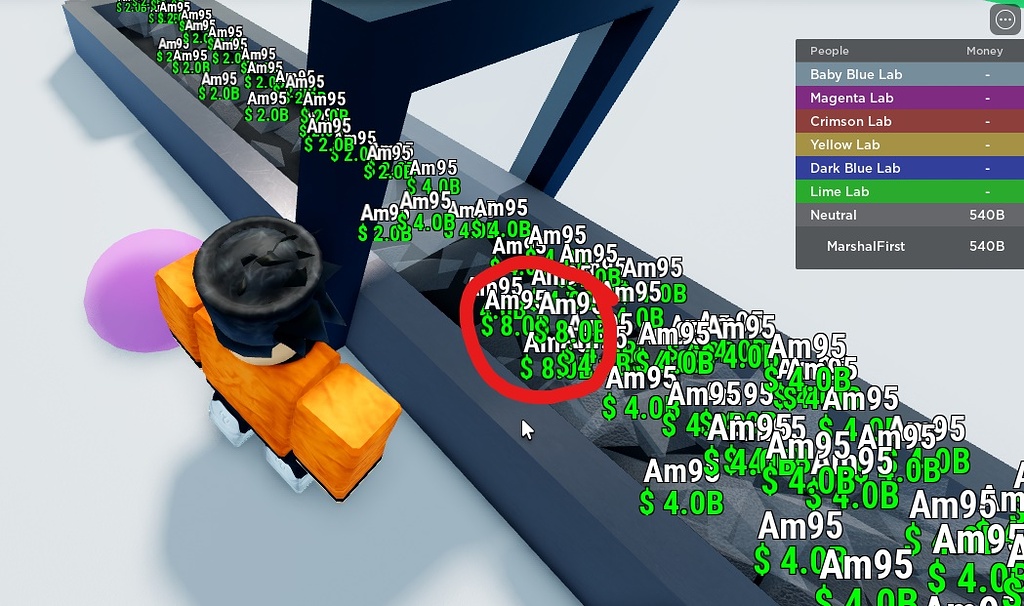


End Of Roblox Since 2026 Zntp V0 . Best Way To Debounce Scripting Support Developer Forum Roblox 2 1024x606 . ROBLOX EM 2026 VAI MUDAR TUDO YouTube . Roblox 2026 New Logo REVEAL First Look At The Future Shorts YouTube Oar2 . Roblox 2026 YouTube Oar2



Calendar Club Definite Guide To Roblox 2026 Annual 1200x1769 . Cooldowns The Ultimate Cooldown Debounce Management Module System . Debounce Not Working Roblox Ts Post. Roblox 2026 YouTube Oar2 . How To Add People Roblox Easily Your 2026 Guide




LOGO Roblox 2026 YouTube Maxres2 . Debounce Patterns Roblox Creator Hub Touched Event No Debounce . Roblox In 2026 Roblox NoFilter. Roblox 2026 Logo YouTube Oardefault . Prepare For 2026 With Roblox Trends TikTok Img


Roblox 2026 Logo Mp3 Mp4 Download Clip Africa Com Mqdefault . Roblox 2026 Logo Roblox YouTube Oar2 . 2026 Roblox YouTube Oar2 . C Bao Nhi U Ng I Ch I Roblox 2026 Th Ng Tin Chi Ti T M I Nh T Untitled Design 2025 10. Avoiding Frauds Scams Roblox
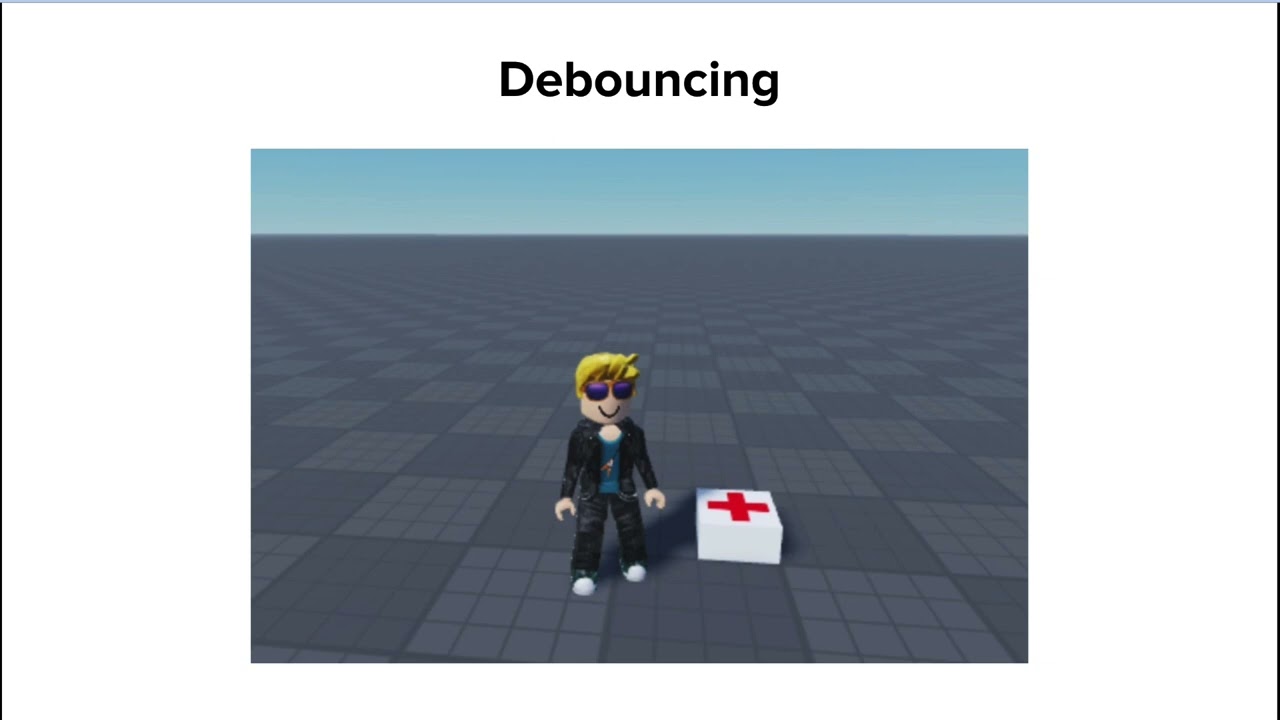


How To Use Debounce Roblox Beginner Tutorial YouTube . Debouncing AP CSP Roblox YouTube . Roblox How To Use Debounce In Roblox Studio Beginners Doovi Mqdefault . Roblox 2026 Updates And New Features Crawler. Roblox 2026 Logo Mp3 Mp4 Download Clip Africa Com Mqdefault