Dive deep into the iconic iterations of Liberty City by exploring the significant differences between the GTA 3 map and the GTA 4 map. This trending comparison uncovers how Rockstar Games evolved its open-world design, moving from the groundbreaking but simpler three-island structure of Grand Theft Auto 3 to the incredibly dense, realistic, and vertically complex metropolis of Grand Theft Auto 4. Understand the pivotal changes in scale, detail, environmental storytelling, and gameplay impact that each map brought to the beloved series. Discover why these distinct renditions of Liberty City continue to spark debate and fascination among gamers, highlighting the evolution of urban environments in video games and how technology shaped immersive experiences. This navigational and informational guide is essential for any fan seeking to appreciate the rich history and design philosophies behind Rockstar's legendary crime sagas.
GTA 3 Map vs GTA 4 Map FAQ Most Asked Questions Answered (Tips, Trick, Guide, How to, Bugs, Builds, Endgame)
\nHey there, fellow Liberty City enthusiasts! I get it, diving into the Grand Theft Auto universe can feel like navigating a maze, especially when you’re comparing two iconic cities like those in GTA 3 and GTA 4. This isn’t just about pixels; it’s about how these incredible maps shaped our entire gaming experience. This ultimate living FAQ is updated for the latest insights, tricks, and comparisons to help you understand every nook and cranny. Whether you’re a veteran revisiting these classics or a new player curious about the series' evolution, we've got you covered on everything from map design to gameplay impact. Let’s unravel the mysteries of Liberty City together!
\n\nMap Design Philosophy
\nWhat was the core design philosophy for GTA 3's map?
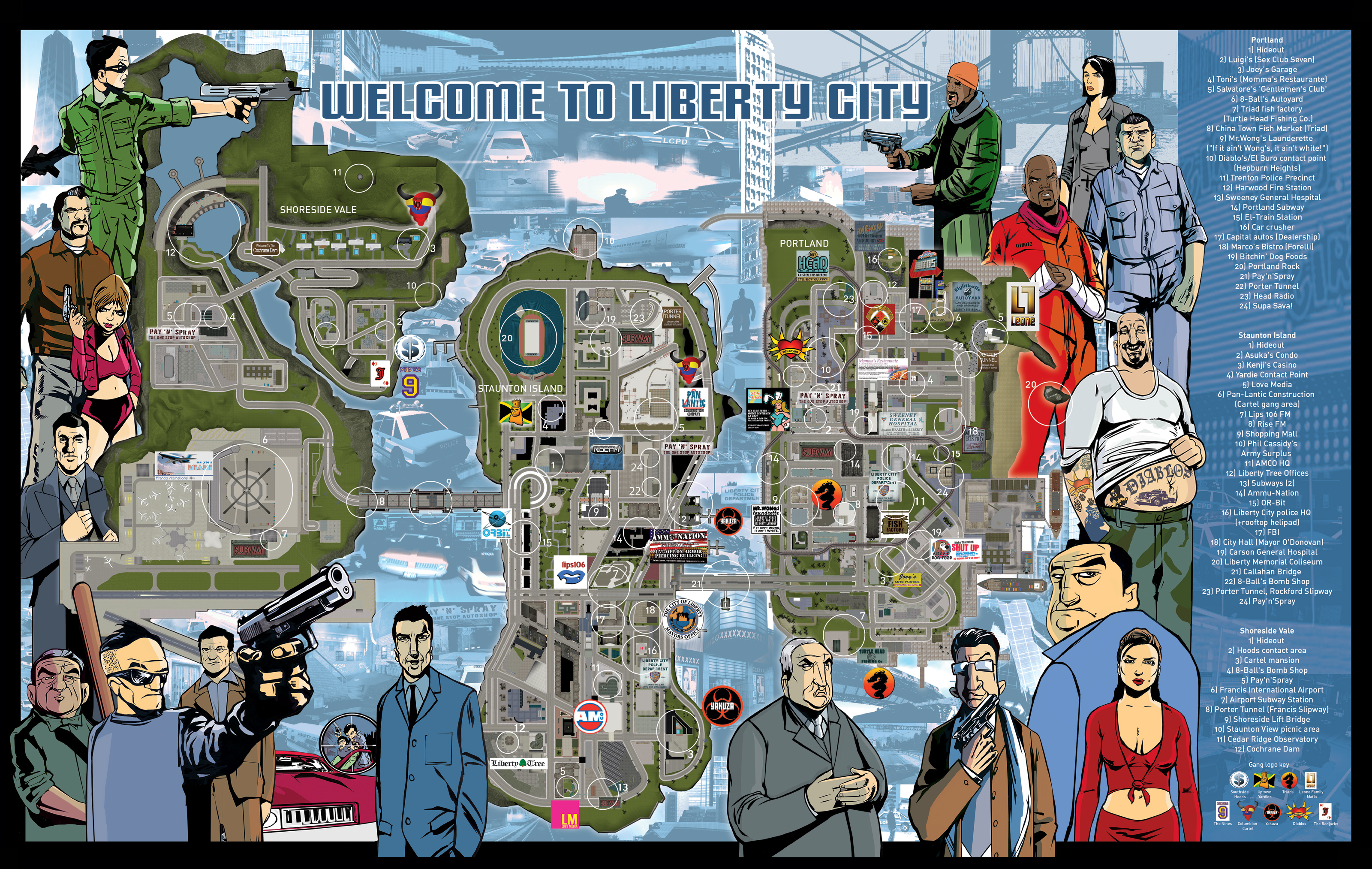
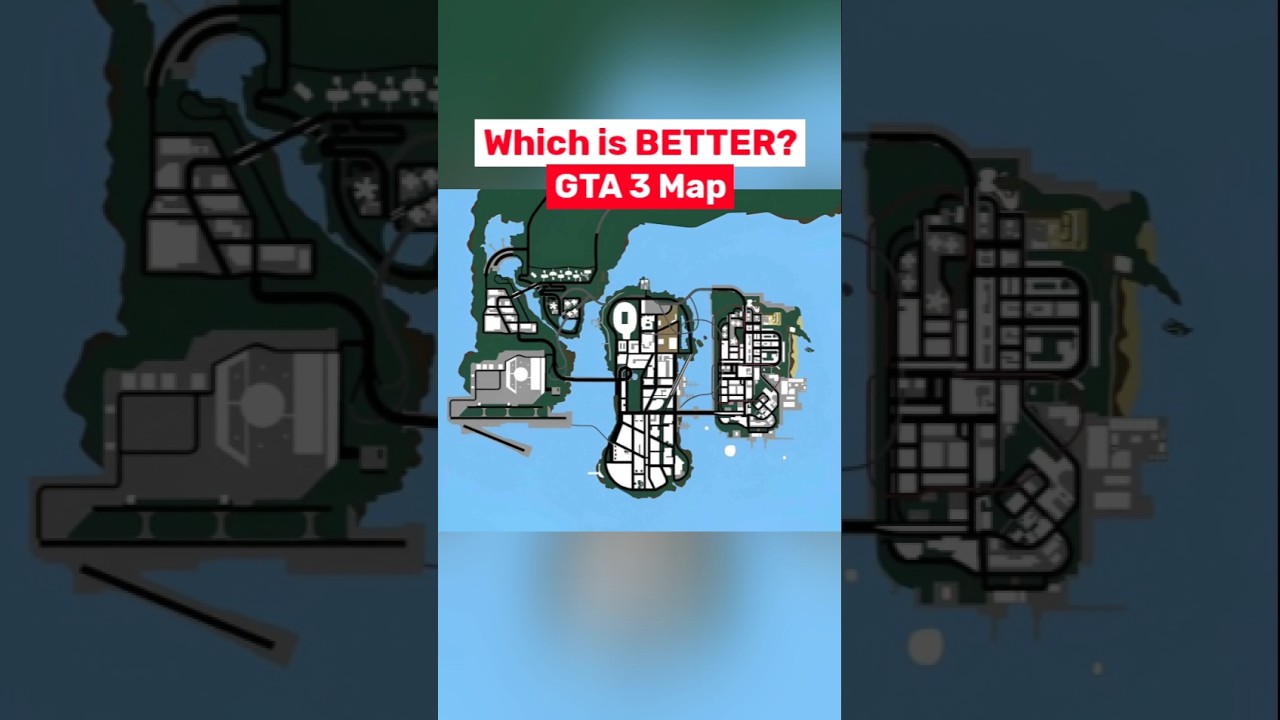
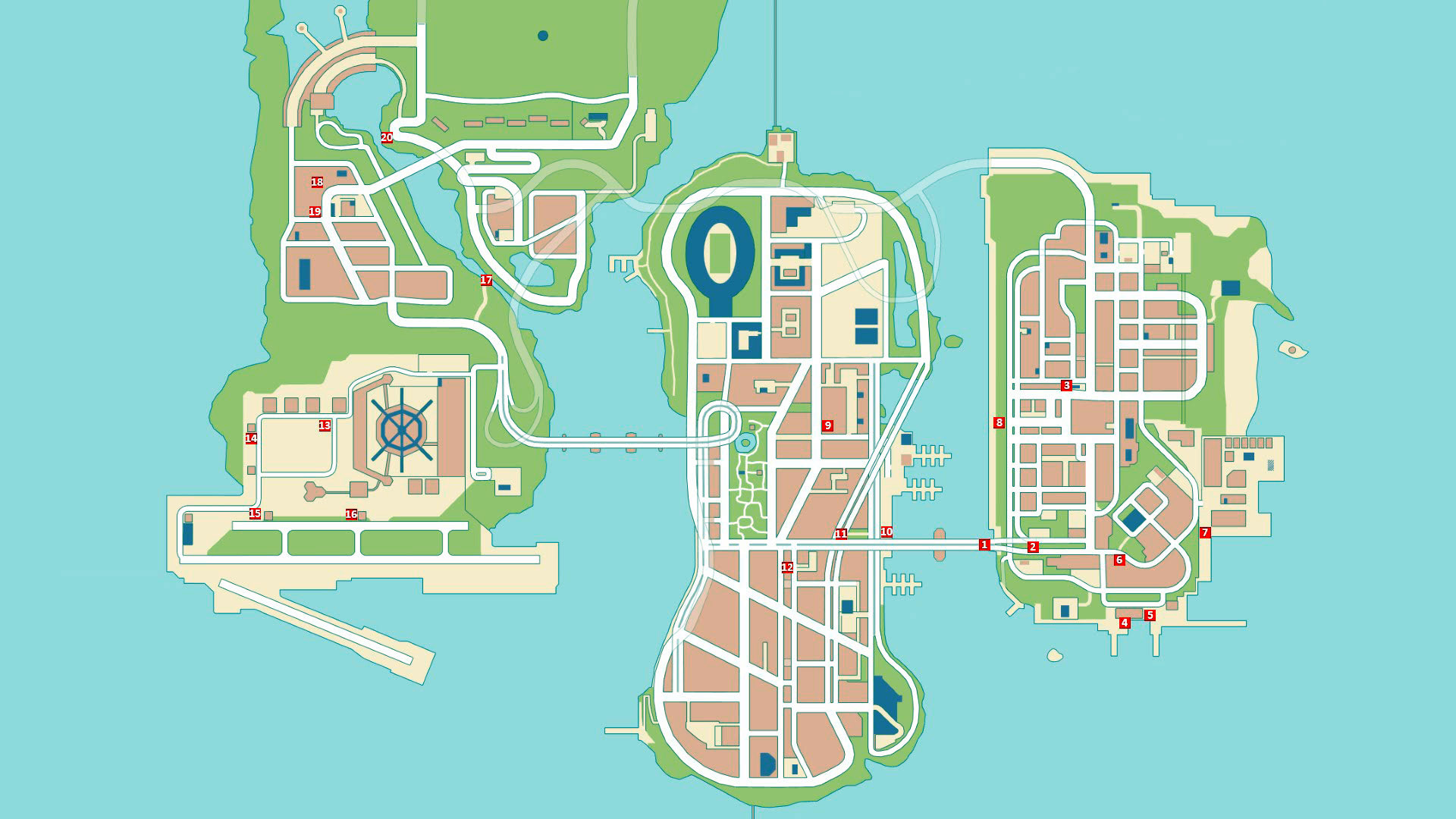
\nGTA 3's map emphasized pioneering a functional 3D open-world experience for the first time. The design focused on distinct, incrementally accessible islands (Portland, Staunton, Shoreside Vale) to guide player progression and facilitate a more arcade-style, mission-driven gameplay loop. It was revolutionary for simply being a cohesive 3D city.
\n\nHow did GTA 4's map design philosophy differ?
\nGTA 4 aimed for hyper-realism and immersion, creating a dense, unified, and systemic Liberty City. Its design prioritized environmental detail, advanced physics, and a gritty atmosphere to support a more grounded narrative and emergent gameplay, making the city itself feel like a living, breathing character.
\n\nMyth vs Reality: Was GTA 3's map originally intended to be a single, large island?
\nReality: While early development ideas might have explored different layouts, the final GTA 3 map was designed as three distinct islands primarily due to hardware limitations of the PlayStation 2. Splitting the city helped manage memory and loading, creating a sense of progression as islands unlocked.
\n\nSize & Scale
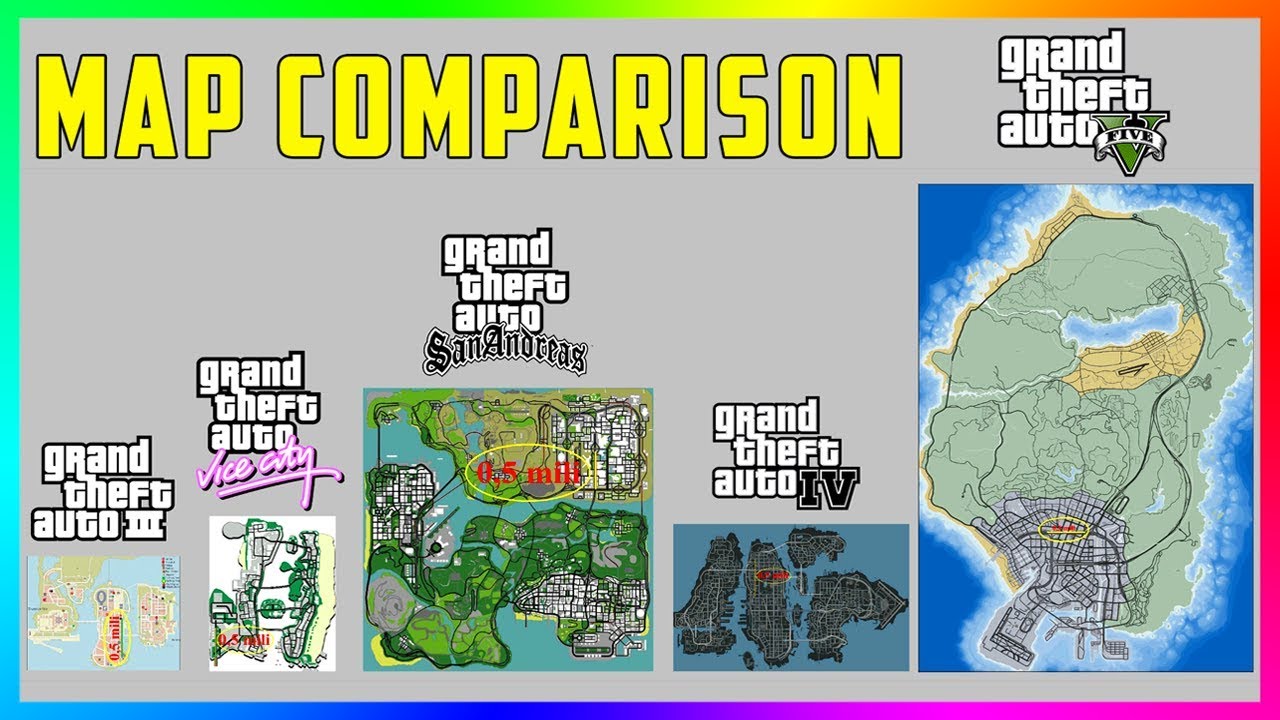
\nIs the GTA 4 map physically larger than the GTA 3 map?
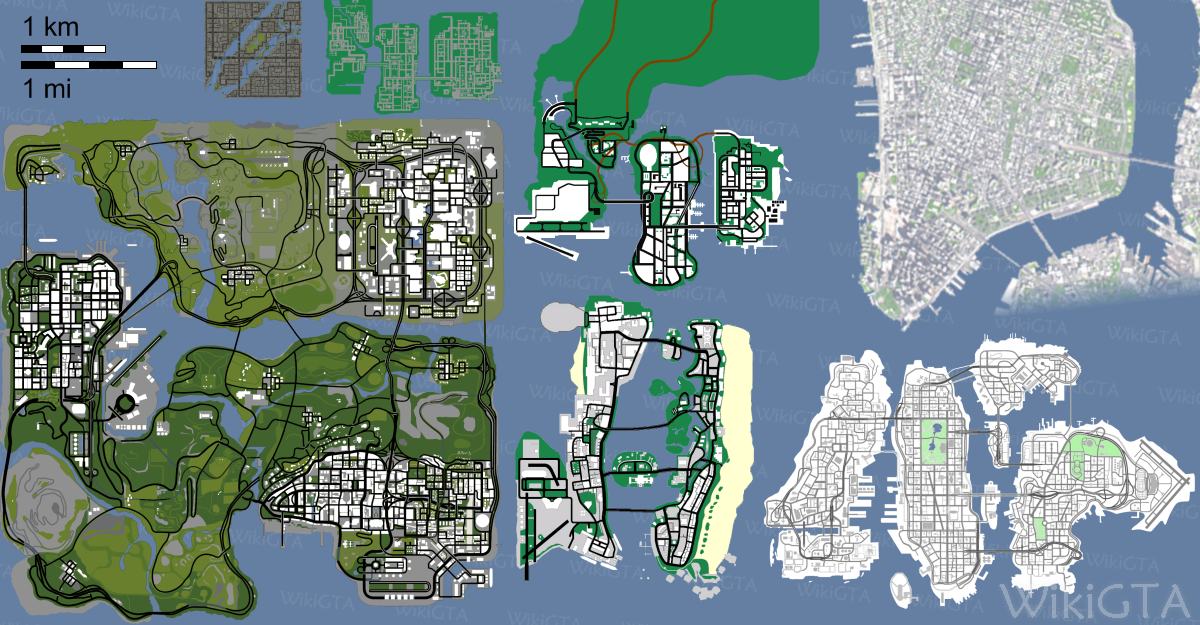
\nYes, the GTA 4 map is demonstrably larger in terms of navigable landmass and overall footprint compared to the GTA 3 map. Beyond raw size, its density, verticality, and the presence of intricate interiors make it feel significantly vaster and more complex. You'll spend more time just appreciating the detail.
\n\nHow does perceived scale differ between the two maps?
\nGTA 3's map, while smaller, felt expansive because it was the first of its kind in 3D, and unlocking new islands provided a strong sense of progress. GTA 4's map feels larger due to its dense, realistic detail, more intricate street layouts, and the slower, more grounded vehicle physics, which make traversal take longer and feel more weighty.
\n\nNavigation & Travel
\nWhich map offers better pedestrian navigation?
\nGTA 4 significantly improved pedestrian AI and navigation. Pedestrians react more realistically to traffic, obstacles, and player actions, making the city feel more alive and challenging to traverse without causing chaos. GTA 3's pedestrians were more rudimentary, often walking into traffic without much thought, bless their hearts.
\n\nHow did bridges and waterways impact travel in each game?
\nIn GTA 3, bridges were key progression gates, locking off islands until unlocked by missions. Water was largely an instant death barrier. GTA 4 integrated bridges seamlessly, and while swimming was possible, major waterways still delineated distinct boroughs, encouraging bridge or tunnel usage for authentic city navigation. You've got this!
\n\nRealism & Detail
\nWhich map is considered more realistic in its portrayal of a city?
\nThe GTA 4 map is vastly more realistic. Its detailed recreation of New York City, complete with accurate architectural styles, dynamic weather, intricate physics for objects and vehicles, and a dense, believable population, set new standards for urban realism in gaming. GTA 3 was groundbreaking, but stylistically simpler.
\n\nMyth vs Reality: Does GTA 4's Liberty City perfectly replicate NYC?
\nReality: GTA 4's Liberty City is an incredibly accurate and detailed satirical recreation of New York City, drawing heavily from Manhattan, Brooklyn, Queens, and New Jersey. However, it's not a 1:1 replica, but rather a condensed and reimagined version designed to serve the game's narrative and gameplay while still being highly recognizable. It captures the essence, not every single street corner.
\n\nGameplay Impact
\nHow did the GTA 3 map support its mission structure?
\nThe GTA 3 map's distinct island layout and the gradual unlocking of areas perfectly supported its linear, mission-driven progression. Players were funneled through narrative arcs in specific districts, making it easy to track objectives and experience the story as intended without being overwhelmed by choice.
\n\nWhat impact did GTA 4's map have on emergent gameplay?
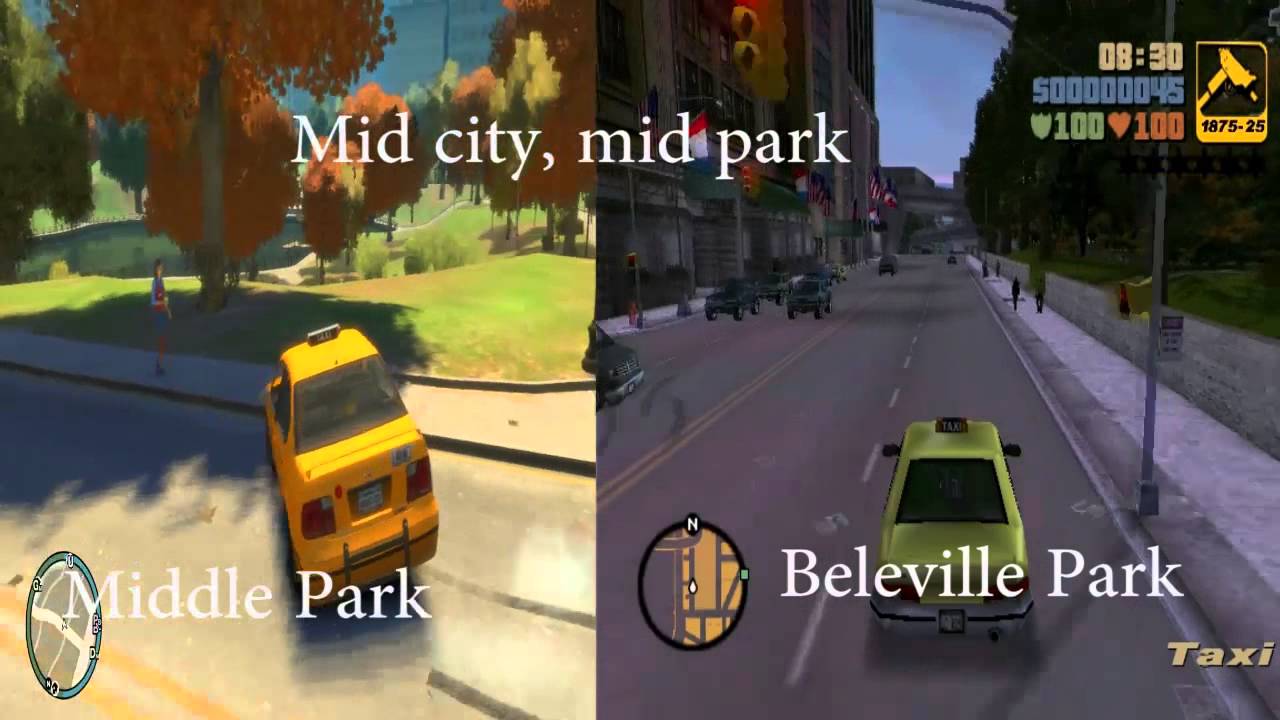
\nGTA 4's highly detailed, systemic, and interactive map fostered immense emergent gameplay. The advanced physics, detailed AI, and numerous interior spaces created countless spontaneous scenarios, from elaborate car chases through destructible environments to engaging in mundane activities like hailing a taxi, enhancing the overall GTA gameplay.
\n\nIconic Locations
\nCan you name an iconic location unique to GTA 3's Liberty City?
\nAbsolutely! The Callahan Bridge, connecting Portland and Staunton Island, is arguably GTA 3's most iconic structural landmark. Its destruction and reconstruction are pivotal plot points, and it became synonymous with progression in the early game. Portland's Red Light District and the shadowy alleys of Staunton are also unforgettable.
\n\nWhat's an iconic location defining GTA 4's Liberty City?
\nThe Broker Bridge, closely resembling the Brooklyn Bridge, is a truly iconic landmark in GTA 4's Liberty City. It’s not just a bridge; it’s a symbol of Niko’s arrival in America, offering stunning vistas of Algonquin (Manhattan). Also, the replica of the Statue of Liberty, the Statue of Happiness, provides a satirical focal point of the map.
\n\nTechnological Advancements
\nHow did technology limit the GTA 3 map's detail?
\nThe PlayStation 2's hardware significantly limited GTA 3's map detail. Memory constraints meant simpler textures, lower polygon counts, shorter draw distances, and less complex AI. Despite these limitations, Rockstar performed a miracle by delivering a fully realized 3D city that was fun and functional, setting the stage for future GTA map evolution.
\n\nWhat technological leaps enabled GTA 4's map realism?
\nGTA 4 leveraged the powerful RAGE engine and the Euphoria physics engine. These advancements allowed for unprecedented detail in textures, character models, environmental physics, dynamic lighting, and complex AI behaviors, enabling a level of realism and interactivity for the GTA map previously unimaginable on consoles.
\n\nRevisiting Liberty City
\nWhich version of Liberty City is more nostalgic for players?
\nFor many, the GTA 3 map holds a stronger nostalgic pull as it was a groundbreaking title that introduced 3D open-world gaming. However, GTA 4's grittier, more realistic take also resonates deeply with players who appreciated its mature storytelling and immersive world. It often depends on which game you played first!
\n\nMyth vs Reality: Is it possible to play GTA 3 and GTA 4's maps seamlessly in one game?
\nReality: No, it's not possible to seamlessly play both GTA 3 and GTA 4's versions of Liberty City in a single game. They are entirely separate games, developed on different engines, with vastly different map designs, scales, and levels of detail. Some modders might attempt to recreate elements, but an official seamless experience doesn't exist.
\n\nGeneral Map Questions
\nWhat makes a good GTA map overall?
\nA great GTA map offers a balance of open-world freedom, diverse environments, iconic landmarks, and emergent gameplay opportunities. It should encourage exploration, support the narrative, and feel alive with dynamic interactions and memorable locations. Rockstar Games GTA always delivers on these core tenets.
\n\nHow important is verticality in GTA map design?
\nVerticality is increasingly important! While GTA 3 had some elevated areas, GTA 4 truly embraced it with accessible rooftops, fire escapes, and multi-story buildings that added new dimensions to exploration and combat. Future GTA maps are expected to push verticality even further, making cities even more complex and dynamic. Try this tomorrow and let me know how it goes!
\n\nStill have questions about the intricacies of the GTA maps or just want to dive deeper into the world of Grand Theft Auto? Check out our other popular guides on GTA Online Heist Strategies and The Best GTA Mods for PC for more tips and tricks!
Decoding Grand Theft Auto's Legendary Landscapes: GTA 3 Map vs GTA 4 Map
\nHey fellow gamers! Ever found yourself cruising through the gritty streets of Liberty City, wondering just how much things have changed over the years? Grand Theft Auto, or GTA, isn't just a game; it's a cultural phenomenon, a living, breathing world that Rockstar Games meticulously crafts for us to explore. And at the heart of that exploration is the map, the very canvas of our criminal escapades. Today, we're going to dive headfirst into a fascinating comparison: the GTA 3 map vs the GTA 4 map. This isn't just about size; it's about evolution, design philosophy, and how each iteration of Liberty City shaped our gameplay experience in profound ways. You're about to see how Rockstar transformed a pioneering 3D world into a truly immersive, realistic urban sprawl.
\n\nQuestion about GTA 3 Map vs GTA 4 Map (Who, What, Where, When, Why, How, Is...)
\n- \n
- What is the core difference between the GTA 3 and GTA 4 maps? The GTA 3 map, from 2001, features three distinct islands accessible incrementally, offering a groundbreaking but somewhat abstract 3D world. The GTA 4 map, released in 2008, presents a single, unified, hyper-realistic, and incredibly dense version of Liberty City with unparalleled environmental detail and verticality. \n
- Who designed these iconic urban environments? Both maps were meticulously crafted by Rockstar Games, specifically Rockstar North, under the visionary guidance of key creators like the Houser brothers, pushing the boundaries of open-world design with each installment. \n
- Where do both games take place? Both Grand Theft Auto III and Grand Theft Auto IV are set in different fictionalized versions of Liberty City, which is Rockstar's satirical take on New York City, complete with familiar boroughs and landmarks. \n
- When were these maps introduced to players? The GTA 3 map debuted with the game's release in October 2001, revolutionizing 3D open-world gaming. The GTA 4 map arrived with its game's launch in April 2008, setting new standards for realism and immersive cityscapes. \n
- Why is comparing the GTA 3 and GTA 4 maps important? It's crucial for understanding the significant design philosophy shifts, technological advancements, and the evolving ambitions of Rockstar Games in crafting immersive open-world environments across different console generations. \n
- How do the maps impact gameplay and player experience? GTA 3's map facilitated a more arcade-like, mission-driven experience with clear island progression. GTA 4's map, with its physics engine and intricate detail, encouraged emergent gameplay, realistic driving, and a deeper sense of living within a systemic city. \n
Rockstar Games: The Architects of Virtual Worlds
\nBefore we dive too deep into the concrete jungles themselves, let's take a moment to appreciate the masterminds behind them: Rockstar Games. Founded by Sam and Dan Houser, Terry Donovan, and Jamie King, Rockstar Games has consistently delivered groundbreaking experiences that redefine what's possible in video games. From their early days, they've been obsessed with crafting detailed, immersive worlds that serve as canvases for compelling narratives and unparalleled player freedom. Their commitment to pushing technical boundaries and investing in environmental storytelling is legendary, and it's this very ethos that shapes every square inch of their Grand Theft Auto maps.
\nDan Houser, especially, has been a driving force behind the narrative and thematic depth of the GTA series, ensuring that the environments aren't just backdrops but integral characters in their own right. Sam Houser, as president, has overseen the grand vision, making sure Rockstar maintains its distinctive brand of mature, satirical, and incredibly fun gameplay. This dedication to craft is precisely why games like GTA, with their expansive and detailed maps, resonate so deeply with millions of players worldwide.
\n\nA Storied Journey: The History of the GTA Series and Its Evolving Maps
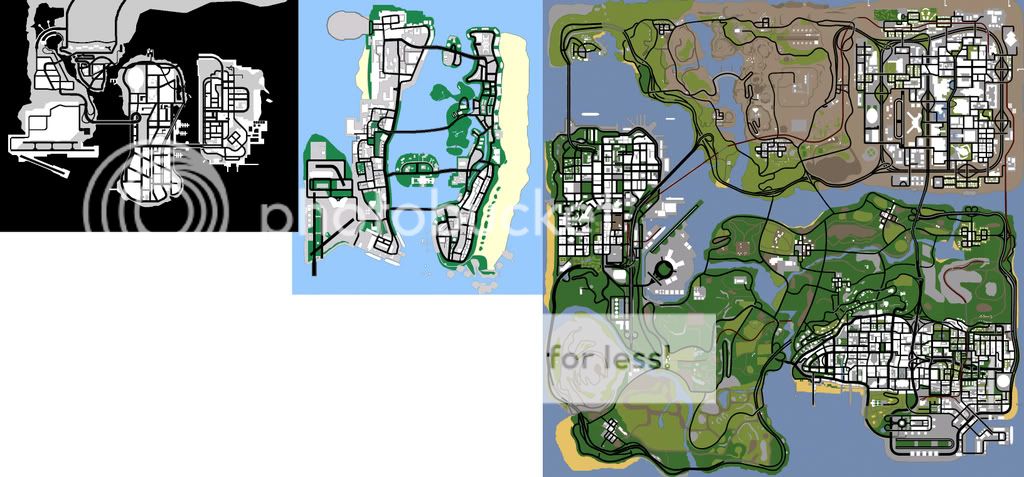
\nThe Grand Theft Auto series has a history as rich and sprawling as its open worlds. Starting as a 2D top-down game in 1997, it quickly evolved, but it was Grand Theft Auto III in 2001 that truly catapulted the franchise into superstardom. It wasn't just a game; it was a revolution, introducing players to a fully 3D open-world environment that felt alive. This was the birth of the modern GTA as we know it, setting the stage for countless imitators and solidifying Rockstar's place as an industry titan. Each subsequent title, from Vice City's vibrant 80s neon to San Andreas's sprawling state, built upon this foundation, pushing the boundaries of scale and ambition.
\nThen came Grand Theft Auto IV in 2008, a game that marked a new generation for the series and the gaming industry as a whole. It moved away from the more fantastical elements of its predecessors, opting for a grittier, hyper-realistic approach, especially evident in its rendition of Liberty City. The advent of GTA Online years later extended the life and lore of these incredible environments, turning vast single-player maps into persistent, evolving multiplayer playgrounds where millions of players still interact daily. The continuous updates and expansions within GTA Online have ensured that Rockstar Games GTA remains at the forefront of gaming, constantly reinventing how we experience these digital cities.
\n\nGTA Deep Dive: Unpacking Liberty City's Transformations
\nLet's get to the core of it: how do the iconic maps of GTA 3 and GTA 4 actually stack up? This is where the Grand Theft Auto map evolution really shines, showcasing Rockstar's incredible journey in world-building. We're talking about two very different beasts, each a masterpiece of its era, yet each offering a distinct flavor of urban chaos.
\n\nLiberty City Evolved: From Blocky to Brutal Realism
\nThe change isn't just superficial; it reflects a fundamental shift in game design philosophy and the technological capabilities of their respective platforms. The GTA 3 map was a marvel for its time, but the GTA 4 map was a leap into a new dimension of realism and interactivity. Rockstar Games map design principles truly evolved, moving from an emphasis on broad strokes and functional zones to an intricate tapestry of systemic interactions and believable urban decay.
\n\nGTA 3's Liberty City: A 3D Pioneer
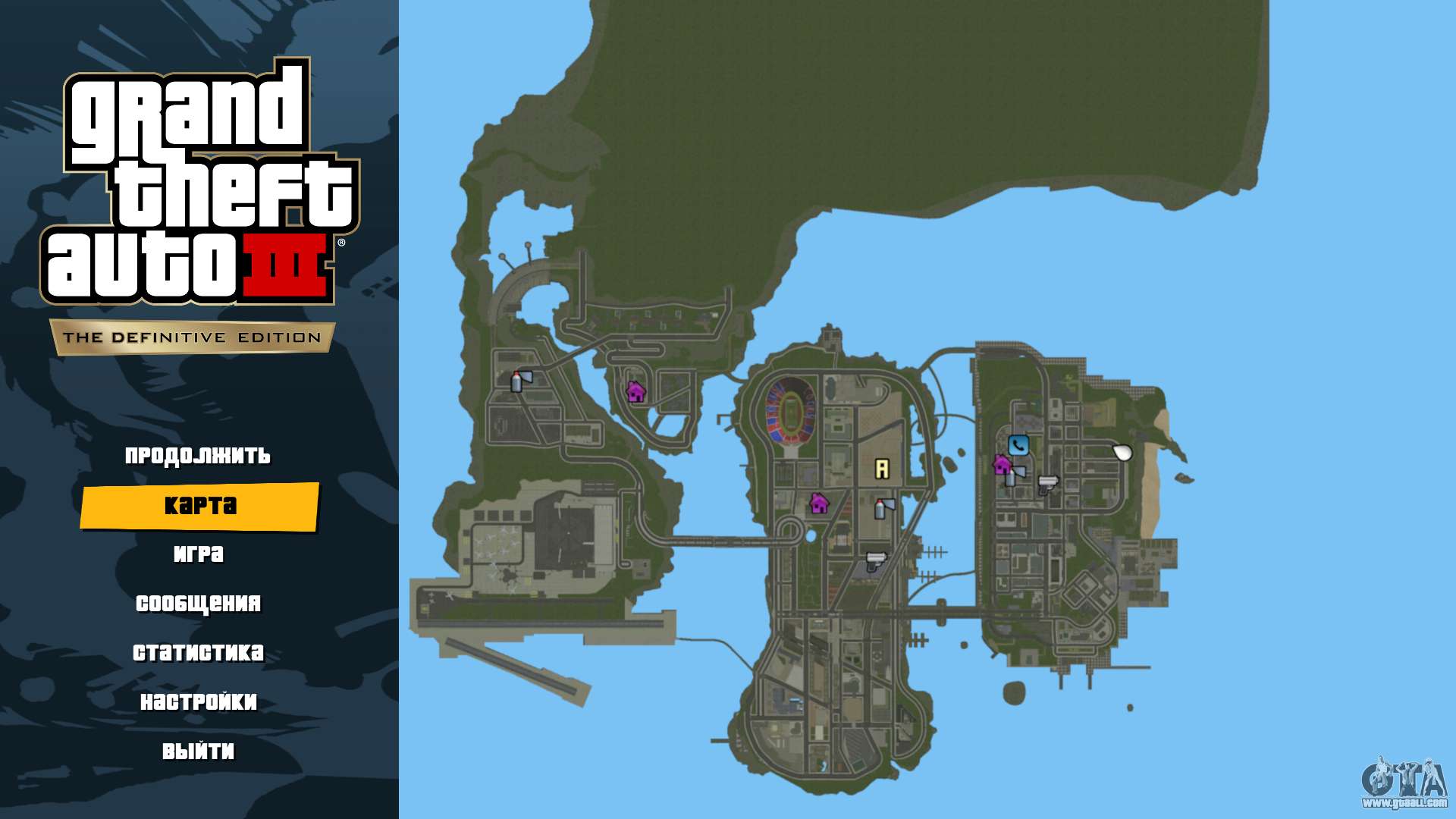
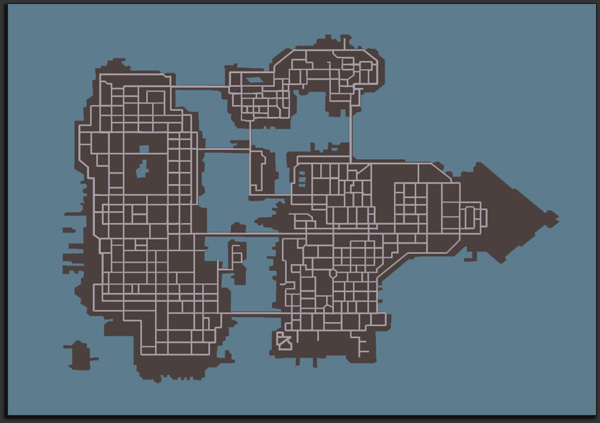
\nWhen GTA 3 first dropped, its map was nothing short of revolutionary. It was the first time many gamers experienced a fully 3D, seamless urban environment. The GTA 3 map was divided into three distinct islands: Portland, Staunton Island, and Shoreside Vale. Players started in the industrial grit of Portland, eventually unlocking access to the commercial and residential hub of Staunton Island, and finally reaching the more affluent and suburban Shoreside Vale. This segmented approach gave a clear sense of progression, almost like chapters in a book.
\n- \n
- Distinct Islands: Each island felt unique, with its own aesthetic, population, and gang affiliations. Portland was all about industry and the Mafia, Staunton Island housed the Yakuza and Colombian Cartel, and Shoreside Vale had the Diablos and street gangs. \n
- Arcade Feel: The map's design encouraged fast, direct traversal. While there were hidden alleys and shortcuts, the overall feeling was more straightforward, facilitating the game's arcade-like mission structure. \n
- Iconic Landmarks: Even with its simpler textures and geometry, locations like Callahan Bridge, Staunton's bustling downtown, and the distinctive designs of each district left a lasting impression on players. \n
- Simpler Physics: The world felt solid but less reactive. Vehicles handled in a more exaggerated, arcade fashion, fitting the overall tone of GTA 3 gameplay. \n
The GTA 3 map was about providing a playground for mayhem, a pioneering effort in making an open-world city feel tangible. It didn't try to be hyper-realistic, but it absolutely succeeded in being fun and engaging.
\n\nGTA 4's Liberty City: A Living, Breathing Metropolis
\nFast forward seven years, and the GTA 4 map redefined what a virtual city could be. This rendition of Liberty City was a single, sprawling landmass, but it felt infinitely larger and more intricate due to its sheer density and verticality. Based heavily on real-world New York City, it featured districts mirroring Manhattan (Algonquin), Brooklyn (Broker), Queens (Dukes), and New Jersey (Alderney), along with a small portion of The Bronx (Bohan). The focus here was squarely on realism, atmosphere, and a systemic world.
\n- \n
- Unified Island, Incredible Density: While technically one landmass, the city felt massive and interconnected. Every street, every building felt purposefully placed, creating a truly believable urban fabric. \n
- Advanced Physics and Interactivity: GTA 4 introduced the RAGE engine and Euphoria physics, making everything from driving to character movement feel incredibly weighty and realistic. Cars reacted to every bump, pedestrians stumbled, and objects could be manipulated. This made the GTA 4 map feel truly dynamic. \n
- Verticality and Interiors: Buildings weren't just facades; many had accessible interiors, fire escapes, and rooftops, adding layers of vertical exploration. The city truly extended upwards, not just outwards. \n
- Environmental Storytelling: The details were astounding. Litter on the streets, dynamic weather, bustling pedestrian AI with unique behaviors, and ambient conversations all contributed to a profound sense of place. It felt like a city that existed independently of Niko Bellic. \n
- Gritty Atmosphere: GTA 4 leaned into a darker, more cynical tone, which was perfectly reflected in its map. The lighting, the architecture, and the general urban decay painted a picture of a city struggling with its own identity, making the GTA gameplay more grounded. \n
The GTA 4 map was a masterclass in creating an atmospheric, immersive, and believable urban environment. It was less about immediate access and more about soaking in the intricate details of a harsh, unforgiving city.
\n\nScale and Immersion: Beyond Just Size
\nWhen comparing the Grand Theft Auto maps, it’s not simply about raw square mileage. While GTA 4’s map is generally considered larger and significantly denser, the true differentiator is the depth of immersion. GTA 3’s map, while smaller, felt expansive because of its pioneering 3D perspective. You could traverse it quickly, but the sense of progress was tied to unlocking new islands. In contrast, GTA 4’s map felt massive due to its intricate detail and realistic scale. Every block, every alley had character, encouraging slower exploration and a deeper appreciation for Rockstar Games map design. The physics engine in GTA 4 also played a crucial role; the realistic car handling meant traversal took longer and felt more impactful, contributing to the perceived vastness of the city.
\n\nGameplay Impact: How Maps Shaped the Experience
\nThe differences in the GTA 3 map vs GTA 4 map directly influenced their respective gameplay loops. GTA 3, with its clearer divisions and more arcade-like physics, fostered a rapid-fire, mission-centric experience. You'd speed from one objective to the next, often engaging in over-the-top antics. It was about pure, unadulterated fun and chaos. The GTA 3 guide often focused on efficient routes between islands and mission strategies.
\nGTA 4, on the other hand, leveraged its realistic, systemic world to create a more emergent and grounded gameplay experience. The detailed environment and advanced physics meant driving felt more tactical, and every car chase was a desperate struggle. Niko’s story was personal and gritty, and the map supported this narrative with its believable yet oppressive atmosphere. The city itself became a character, offering countless small details and emergent scenarios that made simply existing in the GTA 4 map a compelling activity. This shift from pure arcade action to a more narrative-driven, systemic world is a hallmark of the GTA map evolution.
\n\nWhy GTA Still Dominates in 2026
\nEven in 2026, Grand Theft Auto continues to reign supreme in the gaming world, a testament to Rockstar’s unwavering commitment to quality and innovation. The franchise's enduring popularity stems from several key factors. Firstly, the unparalleled freedom it offers players to explore vast, meticulously crafted open worlds. Whether it's the gritty realism of GTA 4 or the vibrant chaos of GTA V, the GTA map is always a central character, inviting endless exploration and emergent storytelling.
\nSecondly, Rockstar's masterful storytelling and character development draw players in, blending satire, drama, and action in a way few other games can. The complex narratives and memorable protagonists keep players invested. Thirdly, the continuous evolution of GTA Online ensures a fresh, dynamic experience with regular updates, new content, and a thriving player community. It’s this blend of compelling single-player experiences and a constantly evolving multiplayer world that cements GTA's dominance, making it more than just a game – it's a global cultural phenomenon that transcends generations of gamers who just want to GTA Play.
\n\nHow to Play GTA in 2026
\nThinking about jumping into the world of Grand Theft Auto, or perhaps revisiting a classic? You've got options! Playing GTA in 2026 is more accessible than ever, with various platforms and iterations available. For newcomers, GTA V and GTA Online are the primary entry points, offering the most current gameplay and expansive multiplayer experiences. You can find them on PlayStation, Xbox, and PC.
\n- \n
- On Console: Simply purchase the game digitally via your console's store (PlayStation Store, Xbox Store) or pick up a physical copy. Both GTA V and its dedicated GTA Online component are readily available. Keep an eye out for remastered versions or backward compatibility for older titles like GTA 4 or even the GTA Trilogy Definitive Edition, which includes GTA 3. \n
- On PC: PC players have a wealth of options, often enjoying enhanced graphics and community-made mods. You can buy GTA V and GTA Online via Steam, the Epic Games Store, or the Rockstar Games Launcher. For older titles, digital storefronts frequently offer them, sometimes bundled as classics. Modding communities provide countless ways to enhance your GTA gameplay experience. \n
- GTA Online: This is where much of the current action is. After installing GTA V, you can jump straight into GTA Online. It's a persistent world of missions, businesses, heists, and endless player interactions. Regular updates ensure there's always something new to do, often with new vehicles, properties, and even map expansions within Los Santos. \n
- Revisiting Classics: If you're keen to experience the historical GTA map evolution, consider picking up the GTA Trilogy Definitive Edition. It offers remastered versions of GTA 3, Vice City, and San Andreas, allowing you to relive those classic Liberty City streets with modern touches. \n
No matter your preference, there's a Grand Theft Auto experience waiting for you. Dive in and make your own mark on these legendary landscapes!
\n\nPeople Also Ask (PPA) / FAQ Section
\n\nIs GTA 6 released yet?
\nNo, GTA 6 is not yet released. Rockstar Games has officially announced its development and released an initial trailer, generating immense hype. However, a definitive release date has not been provided, with most speculation pointing towards late 2025 or 2026. Keep an eye on official Rockstar Games announcements for the latest updates.
\n\nHow big is the GTA 6 map expected to be?
\nWhile Rockstar hasn't revealed official map details, leaks and speculation suggest the GTA 6 map, set in Vice City and the surrounding Leonida state, will be the largest and most dynamic in the series' history. It's anticipated to feature multiple cities, diverse biomes, and unparalleled verticality, evolving the GTA map design significantly.
\n\nWill GTA 6 have online multiplayer?
\nAbsolutely! Given the colossal success of GTA Online, it's virtually guaranteed that GTA 6 will feature a robust online multiplayer component. It's expected to build upon GTA Online's foundation, offering an even more expansive and integrated online experience from day one.
\n\nIs GTA 6 coming to PC?
\nHistorically, Rockstar Games releases Grand Theft Auto titles on consoles first, followed by a PC release sometime later. While no official PC release date has been announced for GTA 6, it is highly probable that a PC version will eventually be available, allowing PC gamers to experience the new GTA gameplay with enhanced graphics.
\n\nWhat are the major differences in realism between GTA 3 and GTA 4 maps?
\nThe GTA 3 map, a product of early 3D gaming, focused on functional design and distinct zones, lacking intricate detail and realistic physics. The GTA 4 map, however, pioneered hyper-realism with dense urban environments, advanced physics for driving and character interactions, and nuanced environmental storytelling like dynamic weather and detailed pedestrian AI, making it feel like a living city.
\n\nWhich Liberty City map is bigger, GTA 3 or GTA 4?
\nThe GTA 4 map of Liberty City is significantly larger and far denser than the GTA 3 map. While GTA 3's map felt large for its time, GTA 4's rendition offers a much greater sense of scale due to its sprawling, unified design, intricate detail, and realistic physics that make traversal feel more substantial, impacting GTA gameplay significantly.
\n\nHow did the GTA 3 map influence future open-world games?
\nThe GTA 3 map was a foundational blueprint for 3D open-world design, demonstrating the viability of expansive, non-linear urban environments. Its segmented island structure and mission-hub approach influenced countless games, establishing key tenets of traversal, mission design, and player freedom within a cohesive city, proving the power of Rockstar Games GTA world-building.
\n\nWhat advancements did GTA 4's map bring to open-world design?
\nThe GTA 4 map pushed boundaries with its unprecedented urban realism, advanced physics (RAGE engine, Euphoria), and systemic world. It introduced a level of environmental detail, verticality, and dynamic interactivity previously unseen, making the city feel like a truly living, breathing entity rather than just a backdrop. This redefined expectations for the GTA map.
\n\nCan I revisit the GTA 3 map in GTA 4?
\nNo, you cannot directly revisit the exact GTA 3 map within GTA 4. While both games are set in Liberty City, they are distinct iterations with different layouts, scales, and graphical fidelity. GTA 4's Liberty City is a complete reimagining, not a direct continuation or expansion of the GTA 3 map, reflecting a new era of GTA gameplay.
\n\nWhy does GTA 4's map feel so much grittier than GTA 3's?
\nGTA 4's map feels grittier due to its design philosophy focused on realism and a darker narrative. The textures, lighting, weather effects, and even the pedestrian behavior contribute to a more grounded, often bleak atmosphere. GTA 3, while having its own brand of grit, maintained a more arcade-like and less visually oppressive aesthetic, aligning with its more lighthearted GTA gameplay.
\n\nWhat's the best way to explore the GTA maps?
\nThe best way to explore GTA maps is to simply wander off the beaten path! Drive around aimlessly, discover hidden alleys, climb buildings, and interact with the environment. In GTA Online, join friends for cruises or use different vehicles. For classic games, a GTA guide might offer secrets, but organic exploration truly unlocks the magic of the GTA map.
\n\nWill the new GTA be set in a new location or a familiar one?
\nThe upcoming Grand Theft Auto title, GTA 6, is confirmed to return to Vice City, a fan-favorite location inspired by Miami. However, this will be a modern, vastly expanded version of Vice City, encompassing the entire state of Leonida, promising a massive and incredibly detailed new GTA map for players to explore. This builds on the rich history of Rockstar Games GTA locations.
\n\nConclusion: A Tale of Two Liberty Cities and the Enduring Legacy of GTA
\nSo, there you have it, folks! The journey through the GTA 3 map vs the GTA 4 map is a fascinating look at the incredible evolution of open-world design within the Grand Theft Auto universe. We've seen how Rockstar Games, driven by visionary creators like the Houser brothers, transformed a groundbreaking but simpler 3D environment into a hyper-realistic, dense, and emotionally resonant cityscape. Each Liberty City, in its own right, stands as a testament to the power of immersive world-building and its profound impact on GTA gameplay. From the pioneering, segmented islands of GTA 3 to the unified, gritty realism of GTA 4, every iteration brought new levels of detail, interaction, and narrative depth.
\nUnderstanding these differences isn't just about nostalgia; it’s about appreciating the continuous innovation that keeps GTA at the pinnacle of gaming. Whether you prefer the arcade-like thrill of the early 3D era or the systemic realism of the HD era, both maps offer unique and unforgettable experiences. As we look forward to what's next for GTA, with rumors of even larger, more dynamic worlds, it's clear that Rockstar's legacy of crafting unparalleled virtual cities will continue to define the future of gaming. So, which Liberty City holds a special place in your heart? Keep exploring, keep playing, and keep those engines revving!
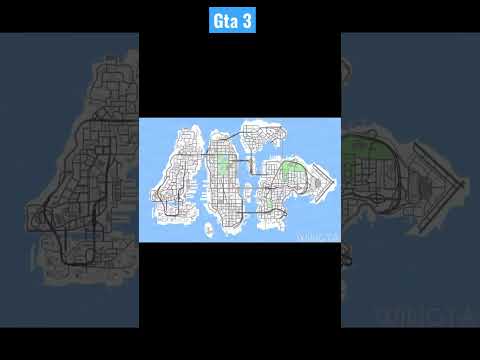
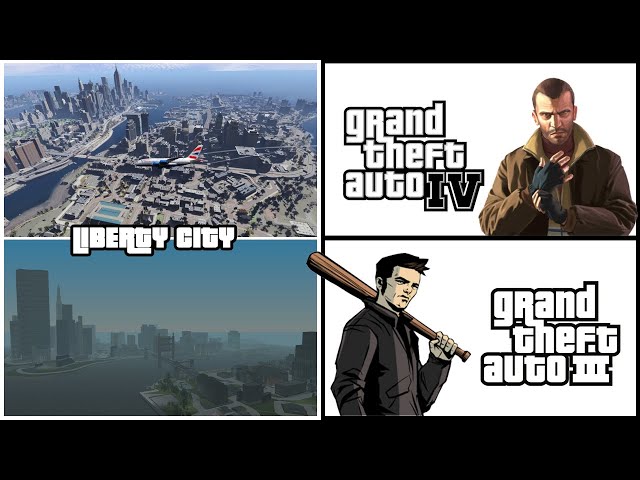
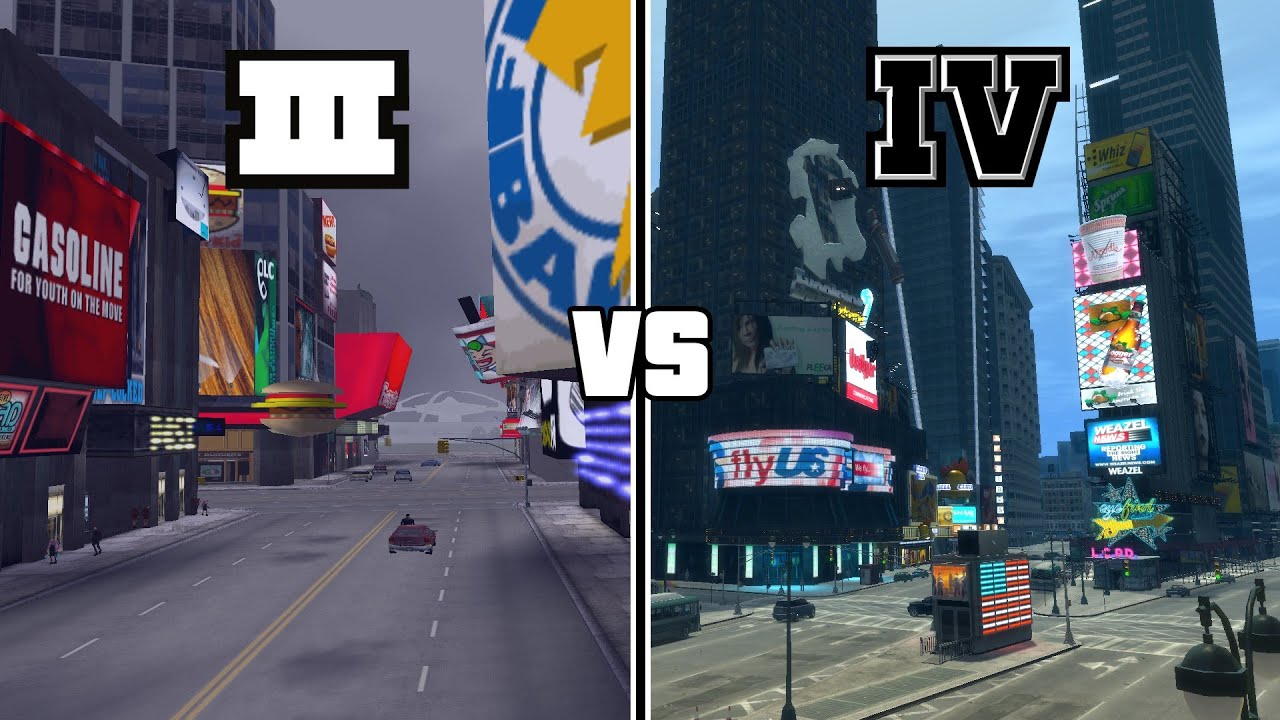
GTA 3 map's distinct three islands and simpler 3D design contrast with GTA 4 map's unified, dense, and hyper-realistic Liberty City. GTA 3 offered pioneering 3D open-world mechanics; GTA 4 delivered unparalleled environmental detail and advanced physics. The evolution showcases Rockstar's commitment to immersive and dynamic urban environments, impacting gameplay, traversal, and narrative depth in profound ways. Both maps are iconic, representing different eras of game design.
35


Gta 3 Map Compared To Gta 4 Hq720 2 . Map Comparison Between Gta 4 And Gta 3 R GTA . Gta 3 Map Compared To Gta 4 . Gta 3 Map Compared To Gta 4 Hq720 . Gta 4 Vs Gta 5 Map Whats Your Favorite Gta Map V0
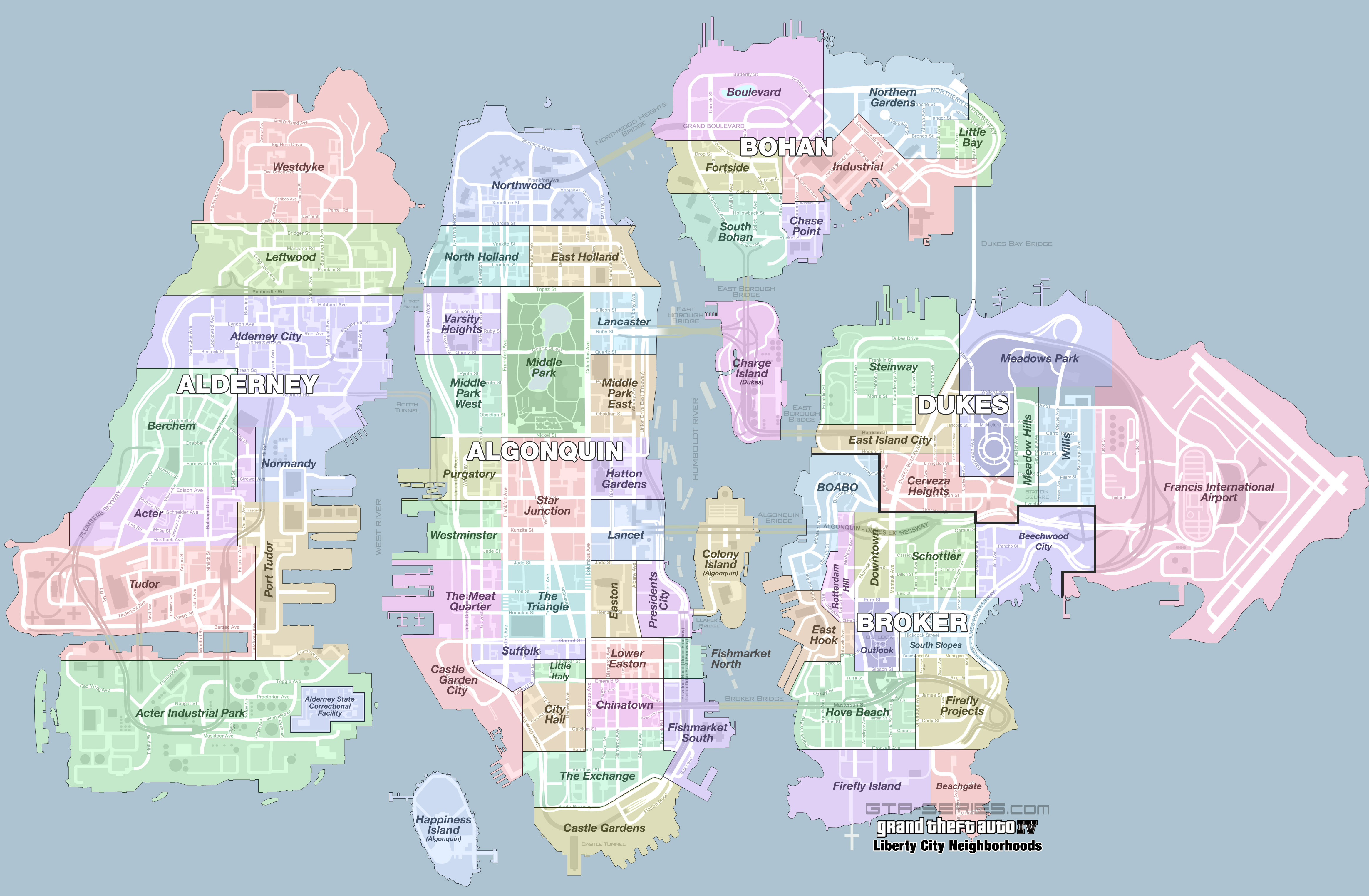
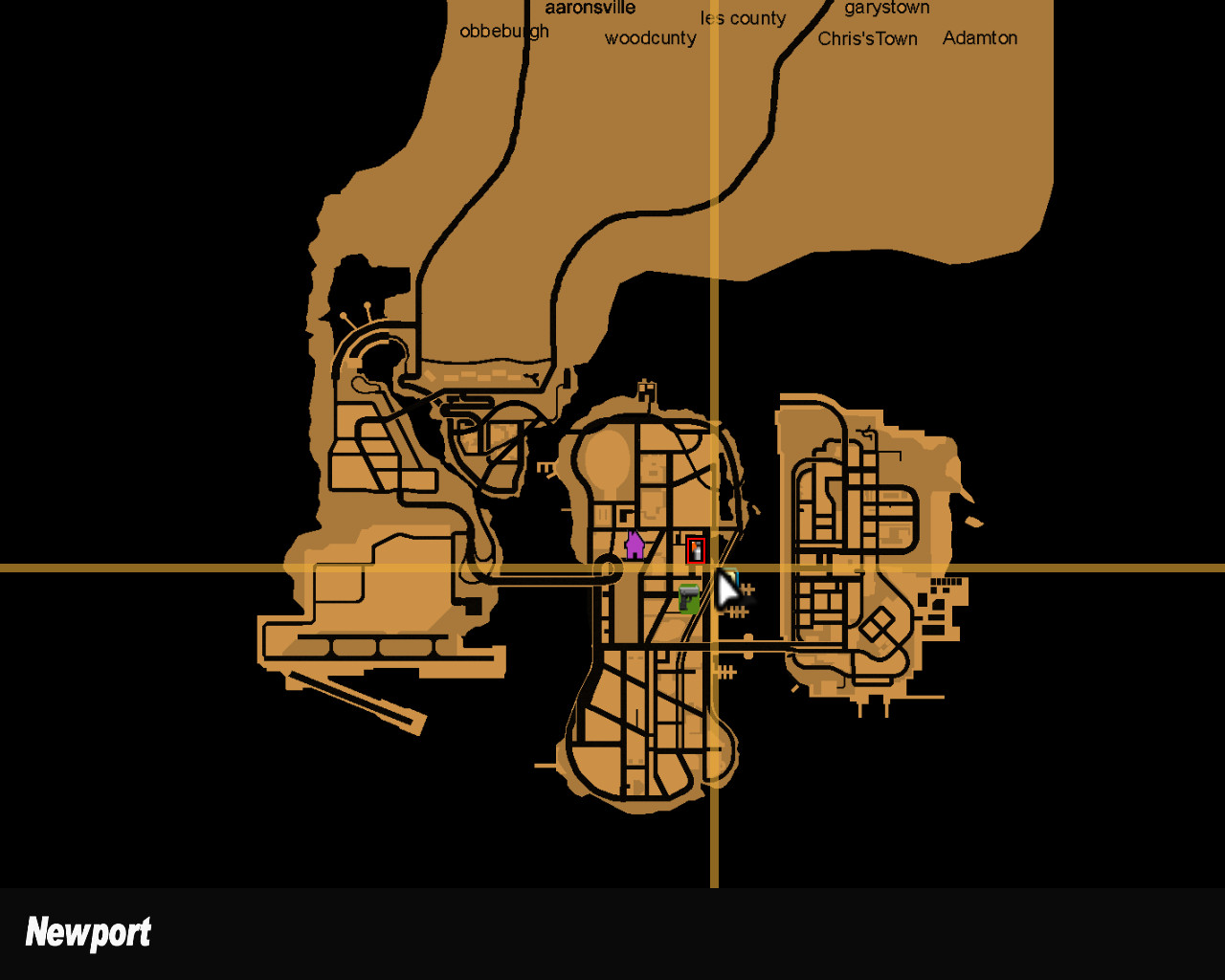
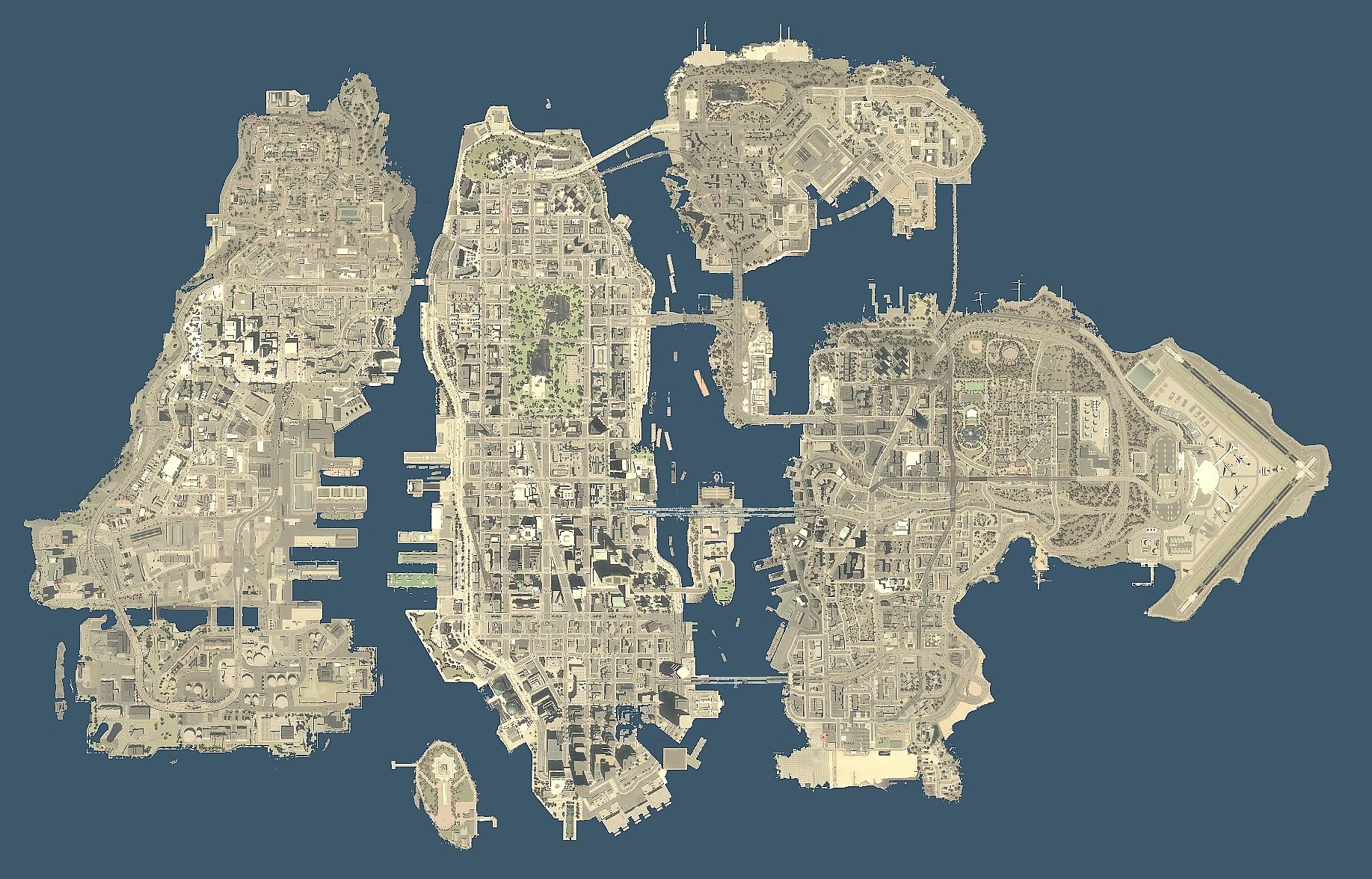
GTA 4 GTA Com Ua . Gta 3 Map Compared To Gta 4 . Large Map Of GTA 4 Games Mapsland Maps Of The World Large Map Of Gta 4 . The MOST Accurate GTA Map Comparison EVER GTA 5 Vs GTA IV Vs San . Gta 3 Vs Gta 4


GTA 4 And GTA CTW Map Comparison 2d 3d Dimension YouTube . Gta 3 Map Compared To Gta 5 . GTA 3 The Definitive Edition Vs GTA 4 Liberty City MAP COMPARISON YouTube . Gta Iv Map With Street Names . Gta 3 Map Vs Gta 4 Map Gta4 Gta3 YouTube Hq2

Gta 3 Map Compared To Gta 4 Sddefault . GTA 3 Vs GTA 4 Map Comparison YouTube . Gta Iv Map Vs Gta V. Gta 3 Map Compared To Gta 4 993176 1638820106 . Has Anyone Ever Compared The Sizes Of The GTA Maps Boards Ie GTA Map Comparison


Grand Theft Auto 3 Map 3471 Gtaiii Grand Theft Auto 3 Map . Gta 3 Gta 4 Hq720 . Gta 3 Gta 4 Grand Theft Auto GTA6 Gta Vs Map Is Bigger Than Gta 3 Vice City San Andreas And V0 . Gta 3 Map Vs Gta 4 Map Freedd COMPARE . Which Is BETTER GTA 3 MAP Vs GTA 4 MAP Shorts Gta Comparison


Gta 3 Map Compared To Gta 4 Gtacw Liberty City Map . Gta 3 Map Compared To Gta 4 . Gta 3 Map Compared To Gta 4 1190517 1 . Gta 3 Gta 4 Sddefault . Gta 3 Map Compared To Gta 4


Mappa Gta 4 Vs Mappa Gta 5 Animal Locations List In GTA Online Hq720 . Gta Iv Map Vs Gta V Hq720 . Gta 3 Map Compared To Gta 4 974161 3 . Gta 3 Mappa Quartieri 12940. Large Map Of GTA 3 Games Mapsland Maps Of The World Large Map Of Gta 3