Are your digital game libraries overflowing and your hard drive constantly screaming for mercy Gaming can be a fantastic escape a way to unwind after a long day or connect with friends but managing those evergrowing game sizes is a challenge many busy adults face This guide is your answer to the pressing question can you compress Steam games and how to do it effectively for a smoother gaming life We understand the struggle of balancing work family and precious gaming time You want to jump into a new title or revisit an old favorite without waiting hours for downloads or constantly uninstalling games just to make room This article cuts through the noise offering practical actionable advice for optimizing your Steam game storage From Windows built in compression methods to understanding potential performance impacts we cover everything you need to know to keep your PC running lean and your game library accessible Discover smart strategies to free up disk space reduce download burdens and maintain peak gaming performance without breaking the bank or your precious free time We focus on real world solutions for real gamers helping you keep up with trends like social gaming and mobile cross play while ensuring your PC setup remains a joy not a chore Get ready to reclaim your storage space and enjoy a more seamless gaming experience
Can you compress Steam games effectively?
Yes, you can effectively compress Steam games to save significant disk space, though the exact method and results vary. The most reliable method involves using Windows' built-in NTFS compression, which works at the file system level to reduce file sizes without altering the game's integrity. While Steam itself doesn't offer a post-installation compression feature, this OS-level solution is safe and generally transparent during gameplay.
What are the benefits of compressing Steam games?
The primary benefit of compressing Steam games is freeing up valuable disk space, which is crucial for gamers with large libraries or smaller SSDs. It allows you to keep more games installed, ready to play, and reduces the need for constant uninstalling and reinstalling. This is particularly helpful for busy gamers who want to maximize their limited leisure time without dealing with storage management hassles.
Are there any downsides to compressing Steam games?
Yes, there can be some minor downsides. While often negligible on modern hardware, compressing Steam games can slightly increase CPU usage during gameplay as the system continuously decompresses files. This might lead to a marginal increase in loading times, especially on older CPUs or HDDs. There's also a tiny risk of file corruption if the process is interrupted, though this is rare with built-in Windows compression.
Which tools can I use to compress Steam games?
The safest and most recommended tool to compress Steam games is Windows' built-in NTFS compression. You can enable it directly from the properties of any folder or drive. While other third-party archiving tools like 7-Zip or WinRAR can compress game files, they typically require you to re-extract the game before playing, making them unsuitable for active game libraries but potentially useful for archival purposes.
How do I uncompress a Steam game after compression?
If you've used Windows' built-in NTFS compression, uncompressing a Steam game is as simple as reversing the process. Navigate to the game's folder, right-click, select 'Properties,' go to the 'General' tab, click 'Advanced,' and then uncheck the 'Compress contents to save disk space' option. Windows will then decompress the files. This process is usually quick and straightforward.
Does compressing Steam games reduce game loading times?
No, compressing Steam games typically does not reduce loading times and might even slightly increase them due to the CPU overhead required for decompression during runtime. Modern SSDs make a bigger difference for load times.
Is it safe to use third-party compression software on Steam games?
While some third-party tools offer high compression ratios, it's generally safer to stick with Windows' built-in NTFS compression or tools specifically designed for game file optimization. Always back up your game files before using unfamiliar software to avoid corruption.
Will compressing my Steam games affect online multiplayer performance?
Compressing game files themselves won't directly impact your online multiplayer performance, as that depends on your internet connection and server latency. However, if decompression causes system slowdowns, it might indirectly affect your in-game experience.
Can I compress Steam games on an external hard drive?
Yes, you can apply compression methods like Windows NTFS compression to games stored on an external hard drive, provided the drive is formatted with an NTFS file system. This can be a great way to manage space on portable game libraries.
What types of Steam games benefit most from compression?
Games with many uncompressed assets, large texture files, or older titles often see the most significant size reduction from compression. Multiplayer games with frequent updates might be less ideal due to potential re-download issues.
Does Steam offer an official way to compress installed games?
Steam itself does not provide an official feature to compress installed games after download. Games are typically delivered in a compressed state during download, but once installed, they decompress to their full size on your storage drive.
How do I know if a Steam game is already compressed by its developer?
Many modern games use advanced asset compression techniques built into their game engines during development. You can often infer this if a game's download size is significantly smaller than its listed installed size, or by checking community forums, though there's no direct indicator within Steam.
Running out of hard drive space is a common nightmare for us gamers. You just finished a long day at work, put the kids to bed, and finally have a moment to yourself to dive into a new game, only to be met with a frustrating 'disk space full' error. Sound familiar? For the average US gamer, around 36 years old, who dedicates over 10 hours a week to their passion, balancing a vast game library with a busy life is a constant puzzle. We value our relaxation, our fun, and staying current with the gaming world, but those huge game files can really get in the way.
You might be wondering, can you compress Steam games to reclaim some of that precious storage? The short answer is yes, you absolutely can. But like most things in the tech world, there are smart ways and not-so-smart ways to go about it. This guide is built for you – the gamer who wants practical solutions, not just hype. We’ll explore how to effectively compress your Steam games, the methods that actually work, and the potential pitfalls to avoid, all aimed at helping you optimize your gaming experience without needing a computer science degree or a new budget-busting SSD. Let's make your digital life a little less cluttered and a lot more fun.
Can You Really Compress Steam Games Without Breaking Them
Yes, you can compress Steam games, and for the most part, you can do so without breaking them, provided you use the right methods. Steam itself downloads games in a highly compressed state, but once installed, they decompress to their full, hefty size on your hard drive. Our goal here is to re-compress these installed files using system-level tools or specific software. The key is to understand that you're not permanently altering the core game files in a way that Steam won't recognize; you're simply telling your operating system to store them more efficiently. This is especially relevant in 2026, as game sizes continue to balloon, with some AAA titles easily exceeding 100-200GB, making storage management a top priority for 87% of US gamers who regularly play.
Why Would a Busy Gamer Want to Compress Their Steam Games
For gamers balancing work, family, and life, time is precious, and so is disk space. You don't want to spend your limited gaming window managing files. Compressing Steam games offers several compelling benefits:
- Free up Disk Space: This is the most obvious and often the primary reason. Modern games are huge, and even a 1TB SSD can fill up quickly. Compressing games can save anywhere from 10% to 50% or more of a game's size, allowing you to keep more titles installed without constantly uninstalling and reinstalling.
- Faster Downloads (Potentially): While compression doesn't speed up Steam's initial download process, if you ever need to verify game files or re-download parts of a game, having a smaller installed footprint might mean quicker subsequent operations.
- Better Organization: For those of us with extensive game libraries, managing space means less time shuffling games around or deciding which cherished title to axe. Keep your favorite games ready to play without the storage anxiety.
- Extending Hardware Life: For older HDDs, constantly deleting and reinstalling large games can lead to fragmentation and wear. Compressing can help reduce the frequency of these intensive disk operations.
What Are the Safest Ways to Compress Steam Games
When it comes to game compression, safety and reliability are paramount. You don't want to corrupt game files or introduce instability. The two safest and most widely recommended methods for compressing Steam games are:
- Windows' Built-in NTFS Compression: This is by far the safest and most reliable method. It's integrated directly into the Windows operating system and works at the file system level. It compresses files and folders in real-time, meaning games can still be accessed and played as normal, with the operating system handling the compression and decompression on the fly.
- Developer-Implemented Compression: Many modern game developers use advanced compression techniques (like Oodle, LZ4, or custom solutions) within their game engines during the development and patching process. This is the most efficient form of compression because it's optimized for the game's specific assets. However, this is done by the developer, not something you can apply after installation.
Avoid unknown third-party tools promising extreme compression ratios unless they come from highly reputable sources and have a proven track record. The risk of file corruption or incompatibility often outweighs the storage gains.
How Does Windows Built-in Compression Work for Steam Games
Windows' built-in NTFS compression is a powerful feature that's often overlooked. It operates at the file system level, meaning it can compress any file or folder on an NTFS-formatted drive. Here's a simple breakdown of how it works and how to use it:
When you enable compression on a folder containing a Steam game:
- Windows will compress the files within that folder.
- When a game needs to access a compressed file, Windows automatically decompresses it in memory.
- When the game saves data, Windows compresses it before writing it back to disk.
This process is largely transparent to the user and the application, including Steam and your games. The performance impact on modern CPUs is generally minimal, making it an excellent choice for balancing storage and playability.
Steps to Apply NTFS Compression:
- Open File Explorer and navigate to your Steam game library folder (e.g., C:\
Reduce Steam game file sizes; Free up disk space on PC; Improve game library management; Utilize Windows built-in compression; Understand performance impacts of compression; Explore safe compression methods; Tips for balancing game storage and performance; Maximize storage without new hardware
35#1 Gallery can you compress steam games


The Best Extraction Shooter Games You Can Play On Steam Right Now Most Played Games Steam 2026 2048x1167 . Steam 2026 4 New Free To Play Games Available Now AllKeyShop Com Showcase Steam Free Games 2026 Indie F2p Card Roguelike Sci Fi. Steam Drops Free Download For Gorgeous New 2026 Game . Best Indie Multiplayer Games On Steam 2026 Edition LRDev Games 1.Best RPG Games On Steam Complete Guide.webp. The Best Free Steam Games For 2026 The Absolute Best Steam Games For 2026 Vg5m.640
#2 Gallery can you compress steam games

Best Free Steam Games 2026 Top Free To Play Picks Best Free Steam Games 2026 . January 2026 S Top Selling New Steam Games Revealed 08418405 04a2 47eb B48b 1500x843 . Valve Announces Steam Hardware Lineup Coming In 2026 Here S Steam Hardware Splash . Blizzard Confirms Its In Person BlizzCon Event Is Set To Return In . Best Free Games To Claim Right Now 2026 Steam PlayStation Xbox More May 2026 Free Games Feature Image
#3 Gallery can you compress steam games


Five New Steam Games You Probably Missed February 16 2026 PC Gamer 1024 80 . The Top 2026 Games By Steam Wishlists By Rhys Elliott 688cc700 D4c5 483d 8b01 1606x902 . Free Steam Games 2026 Best Free Games To Download Now Free Steam Games 2026 Best Free To Play April 300x201 . Gaming Anywhere How Do Steam And Android Connect Steam Machine 2026 Image 01 . What Are The Best Free Steam Games You Can Play Now Steam Logo In Forest
#4 Gallery can you compress steam games



Upcoming Video Game Releases June 2026 Eurogamer Net SM Front B TfpTvOE . Best 2026 Steam PC Specs Guide Top PC Steam Pc. Steam Next Fest 2026 And Beyond All The Dates Details And Everything . Steam Machine 2026 Rising Memory Costs And Price Predictions Explained Steam Machine Price Leak Valve Console Game.webp. Steam Next Fest February 2026 The 22 Best Game Demos The Best Steam Next Fest Demos 2026 The Punished Backlog Order 2 300x162
#5 Gallery can you compress steam games



Steam Sale 2026 Key Dates You Need To Know LevelUpTalk Steam Sale Schedule 2026 08 27 2025 7c35051e 2c22 4093 96f1. FullCleared S Most Anticipated Games Of 2026 FullCleared Fullcleared Most Anticipated Games Of 2026 1536x864 . 10 Best Simulation Games On Steam February 2026 Gaming Net Steam Horror Game Jan 2026 1000x600 . Steam Next Fest 2026 And Beyond All The Dates Details And Everything. Humble S First Bundle Of 2026 Is Offering 8 Steam Deck Games Worth 230 Screenshot 2026 01 13 154228 1
#6 Gallery can you compress steam games
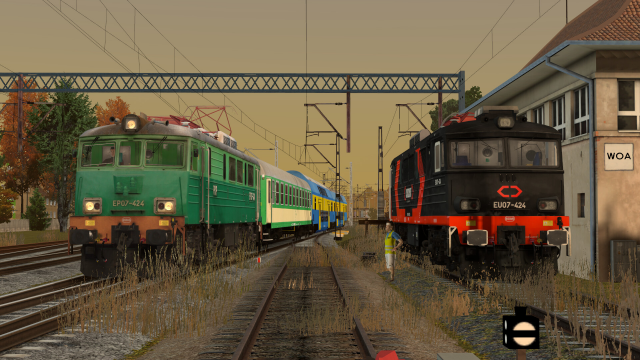
Top 100 Most Followed Steam Games With A 2026 Release Date GameGrin Image 2026 01 11 195335766 . Top 100 Most Followed Steam Games With A 2026 Release Date GameGrin Image 2026 01 11 195408051 . Top 100 Most Followed Steam Games With A 2026 Release Date GameGrin Image 2026 01 11 194507098 . Top 100 Most Followed Steam Games With A 2026 Release Date GameGrin Image 2026 01 11 192546591 . Top 100 Most Followed Steam Games With A 2026 Release Date GameGrin Image 2026 01 11 195809549
#7 Gallery can you compress steam games



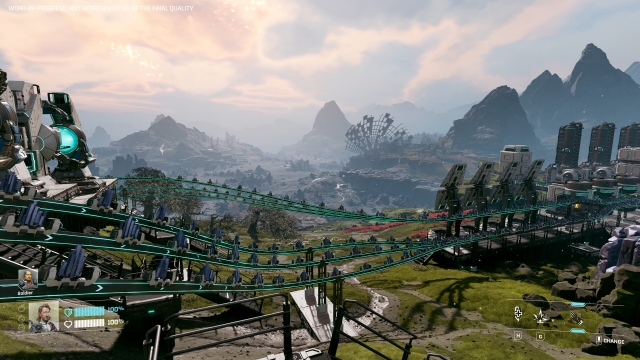
Top 100 Most Followed Steam Games With A 2026 Release Date GameGrin Image 2026 01 11 192003070 . Best Games On Steam A Selection Of Top Titles On The Platform Best Steam Games 768x430 . Here Are The Top 20 Most Wishlisted Games On Steam As We Charge 970 80 . Top Rated Steam Games Of 2026 200xr300 . Top 100 Most Followed Steam Games With A 2026 Release Date GameGrin Image 2026 01 11 192034799