Ever wonder how to properly close a Steam game without a hitch especially when it freezes or refuses to exit gracefully Gaming is a fantastic way to unwind after a long day or connect with friends but nothing sours the experience faster than a stubborn game This guide is your ultimate resource for mastering how to close any Steam game whether it is running smoothly or stuck in an endless loop We delve into various methods from the standard in-game exit options to advanced troubleshooting like using Task Manager or even Steam s own features for force quitting We also cover crucial tips to prevent future game crashes and ensure your system runs optimally This detailed resource targets busy gamers who value efficiency and want to maximize their precious playtime without technical frustrations Discover how to keep your gaming sessions seamless and stress-free ensuring you can jump back into real life or another game effortlessly This is a trending topic for many balancing life with their passion for gaming. Our tips are current for 2026 ensuring you stay ahead.
How do I properly close a Steam game normally?
The most straightforward method to close a Steam game is to use its built-in exit option. Most games provide a "Quit Game" or "Exit to Desktop" option within their main menu or pause menu. Access this menu by pressing the Escape key or a designated menu button, navigate to the exit option, and confirm your choice. This ensures the game closes gracefully, saving progress and releasing system resources correctly.
What if a Steam game freezes and won't respond to in-game commands?
When a Steam game freezes and becomes unresponsive, your go-to solution is usually the Task Manager. Press Ctrl Alt Delete simultaneously, then select Task Manager. In the "Processes" tab, locate the frozen game (it might be listed under "Apps" or as a background process), click on it, and then click "End task." This forcefully terminates the application, allowing you to regain control of your system. Remember to save frequently to prevent data loss from unexpected exits.
Are there universal keyboard shortcuts to force close a Steam game?
Yes, two primary keyboard shortcuts are invaluable for exiting unresponsive Steam games. The first is Alt F4, which attempts to close the active window. While effective for many applications, some full-screen games might block it. The second and more robust method is Ctrl Shift Esc to directly open Task Manager, or Ctrl Alt Delete followed by selecting Task Manager, which gives you more control over ending stubborn processes. These shortcuts are perfect for those quick transitions between gaming and real-world responsibilities.
How can I close a Steam game if the Steam client itself is frozen?
If the entire Steam client is frozen along with the game, you'll need to use Task Manager to terminate both. Open Task Manager (Ctrl Shift Esc or Ctrl Alt Delete), go to the "Processes" tab, and look for both the game's executable and the "Steam Client Bootstrapper" or "Steam" process. End task on the game first, then on the Steam client. After closing both, you can restart Steam. This often resolves deeper conflicts causing widespread unresponsiveness.
Why does my Steam game sometimes continue running in the background after I close it?
Occasionally, a Steam game might appear closed but continue running as a background process, consuming resources and preventing you from restarting it. This often happens due to minor software glitches or improper shutdowns. To fix this, open Task Manager, navigate to the "Details" tab, and sort by CPU or Memory usage if needed. Locate the game's executable file (e.g., game.exe) and select "End task" or "End process tree." This ensures a complete shutdown and frees up your system.
What are common reasons for Steam games failing to close properly?
Steam games can fail to close properly for several reasons, including software conflicts with other applications (like overlays or antivirus), corrupted game files, outdated graphics drivers, or insufficient system resources. Sometimes, a game might be stuck saving data, leading to a hang. Ensuring your drivers are up-to-date, verifying game file integrity through Steam, and managing background applications can significantly reduce these occurrences. For busy gamers, minimizing these interruptions is key to a smooth experience.
Is there a Steam specific command or feature to force close a running game?
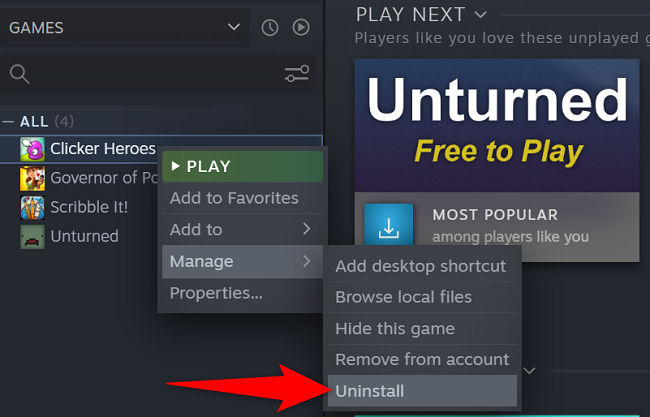
While Steam itself doesn't have a direct "force close game" button that appears universally, if a game is running, you can open your Steam Library, right-click on the running game, and select "Manage" then "Uninstall." However, this is a drastic measure and not recommended for simply closing a game. The most effective Steam-related method is exiting the game normally, or if that fails, closing Steam via Task Manager, which then also closes any active games associated with it. For less drastic measures, ensure Steam's overlay is up-to-date.
For many of us, gaming is that perfect escape after a long day, a chance to unwind, connect with friends, or simply test our skills. With over 87% of US gamers regularly engaging, often spending 10+ hours a week, and mobile gaming continuing its dominance alongside PC and console experiences, balancing our virtual adventures with real-life commitments is key. But what happens when that relaxation turns into frustration because a Steam game just won't close? You've got dinner to make, family calling, or an early morning meeting, and your game is stubbornly refusing to yield. It's a common pain point for busy gamers, often aged around 36, who juggle jobs and families but still carve out time for their passion. This guide is your ultimate resource on how to close a Steam game, covering everything from the standard exit to troubleshooting stubborn freezes, ensuring your gaming sessions end as smoothly as they begin.
We understand you value efficient solutions and practical advice. No hype, just clear steps to get you back to your responsibilities without a technical headache. Let's dive into the various methods to ensure you always know how to close a Steam game, regardless of the situation.
What is the Standard Way to Close a Steam Game?
The most straightforward and recommended method to close any Steam game is to use its built-in exit options. Developers design these options to ensure all game data is saved correctly, background processes are terminated, and system resources are released gracefully. This prevents corrupted save files and ensures your PC runs optimally.
Here's how to do it:
- Pause the game: Typically by pressing the 'Escape' key or the 'Start' button on a controller.
- Navigate to the main menu: Look for options like 'Main Menu' or 'Return to Desktop.'
- Select 'Quit Game' or 'Exit to Desktop': This option might be directly available or found under a 'Settings' or 'Options' submenu.
- Confirm your choice: Most games will ask for confirmation before exiting.
This process ensures a clean shutdown, which is crucial for maintaining game integrity and preventing any lingering issues. Always try this method first before resorting to more forceful options.
How Do I Force Close a Steam Game That's Frozen or Unresponsive?
When a game freezes, the standard in-game exit is no longer an option. This is where you need to apply more direct methods to regain control of your system. For busy gamers, knowing these quick fixes is essential to avoid wasting precious time.
Method 1: Using the Task Manager
The Task Manager is your primary tool for forcefully closing any unresponsive application, including Steam games.
Here are the steps:
- Press Ctrl Alt Delete simultaneously. This opens a security screen with several options.
- Select 'Task Manager' from the list. Alternatively, you can press Ctrl Shift Esc to open Task Manager directly on Windows.
- In the 'Processes' tab (or 'Applications' tab on older Windows versions), look for your game's executable. It often has the game's title or a relevant abbreviation. If the game is frozen, it might show 'Not responding.'
- Click on the game's process to select it.
- Click the 'End task' button in the bottom right corner.
- Confirm if prompted. The game should close immediately.
This method is highly effective and safe for closing most frozen applications. It’s a go-to for many gamers who need to quickly switch gears from a glitchy game back to their work or family duties.
Method 2: Using Alt F4
Alt F4 is a universal Windows shortcut to close the active window. While it works for many applications, some full-screen games might block or ignore it, especially if they are heavily crashed. It's worth a try for a quick exit.
Simply press Alt F4 while the game window is active. If it works, the game will close. If it doesn't, or if another window becomes active, you'll need to use Task Manager.
What if Steam Itself is Unresponsive and I Can't Close the Game?
Sometimes, it's not just the game that's frozen, but the entire Steam client. This can be more challenging as you can't access Steam's own functions. In this scenario, you'll need to use Task Manager to shut down both the game and Steam itself.
Follow these steps:
- Open Task Manager (Ctrl Shift Esc or Ctrl Alt Delete then 'Task Manager').
- In the 'Processes' tab, first locate and 'End task' for the game's executable.
- Next, find the 'Steam Client Bootstrapper' or 'Steam' process.
- Click on the Steam process and select 'End task.'
- Confirm if prompted.
Once both are closed, you can restart Steam. This often resolves deeper issues causing the widespread unresponsiveness. Remember, a clean system helps prevent such frustrating occurrences, aligning with the 2026 trend of seamless user experiences.
Are There Specific In-Game Settings That Affect How a Game Closes?
While most in-game settings don't directly control the exit mechanism, certain graphical or performance options can contribute to instability, which might, in turn, cause a game to freeze or crash upon exit. For example, running a game at very high settings on an older GPU, or with insufficient RAM, can lead to system strain.
Consider these points:
- Full-screen vs. Windowed Mode: Some games are more stable in windowed or borderless full-screen modes, which can make it easier to Alt Tab out or access Task Manager if needed.
- Overlays: Steam Overlay, Discord Overlay, or other third-party overlays can sometimes conflict with games, causing instability. Temporarily disabling them might help if you frequently experience crashes upon exit.
- Save on Exit: Ensure your game's save settings are properly configured. While not directly related to closing, it's crucial to ensure your progress is saved before attempting any exit, especially a forceful one.
Optimizing your game settings for your hardware, rather than just pushing for maximum fidelity, is a smart move for busy gamers who can't afford frequent troubleshooting interruptions.
How Can I Prevent My Steam Games From Freezing or Crashing Frequently?
Prevention is always better than cure. For gamers who juggle life's demands, minimizing technical glitches means more time for actual play and less time troubleshooting. Many freezes and crashes can be avoided with some proactive maintenance, a lesson learned by 87% of regular gamers who prioritize stable experiences.
Regular System Maintenance:
- Keep Drivers Updated: Outdated graphics drivers (NVIDIA, AMD, Intel) are a common culprit for game instability. Check for updates monthly.
- Verify Game Files: Steam has a built-in feature to verify the integrity of game files. Corrupted files can cause crashes.
- Manage Background Processes: Close unnecessary applications running in the background while gaming to free up RAM and CPU resources. Task Manager can help identify resource hogs.
- Monitor Temperatures: Overheating components (CPU, GPU) can lead to crashes. Use monitoring software to check temperatures during intense gaming sessions.
- Sufficient System Resources: Ensure your PC meets or exceeds the game's minimum requirements, especially for RAM and VRAM.
Steam Specific Tips:
- Clear Download Cache: Sometimes a corrupted download cache can cause issues. In Steam, go to Settings > Downloads > Clear Download Cache.
- Run Steam as Administrator: Right-click the Steam shortcut and select 'Run as administrator' to grant it elevated permissions, which can resolve certain conflicts.
By investing a little time in maintenance, you'll significantly reduce the chances of encountering a game that simply refuses to close.
What's the Best Way to Ensure My Game Progress is Saved Before Closing?
Losing progress due to an unexpected game crash or a forced exit is incredibly frustrating. For gamers with limited time, every minute of progress counts. Always prioritize saving your game before closing, especially if you anticipate potential issues.
- Manual Saves: Always use the in-game manual save feature whenever available, especially after significant progress.
- Autosaves: Rely on autosave features, but understand their frequency. Don't assume a recent autosave has occurred; if in doubt, trigger a manual save.
- Cloud Saves: Steam Cloud automatically backs up your game saves, which is a lifesaver if a local file gets corrupted or if you play on multiple PCs. Ensure it's enabled for your games.
- Exit Gracefully: The standard in-game exit procedure is designed to finalize all saves. Always attempt this first.
Regular saving habits are a simple yet powerful way to protect your hard-earned progress and make sure your gaming time is truly productive.
How Does Steam's Big Picture Mode Affect Game Closing?
Steam's Big Picture Mode is designed for controller-friendly navigation, often used when playing on a TV or with a Steam Deck. Its interface simplifies many functions, including exiting games.
When in Big Picture Mode:
- Press the guide button on your controller (e.g., Xbox button).
- This will often bring up the Steam Overlay in Big Picture mode.
- Look for an 'Exit Game' or 'Power' icon/option.
- Selecting 'Exit Game' will attempt a graceful shutdown. If the game is frozen, it might offer to force close it or take you back to the Big Picture interface.
Big Picture Mode aims to make the gaming experience as seamless as possible, including streamlined game management. It's particularly popular among social gamers and those who prefer a console-like experience on their PC.
When Should I Restart My PC Instead of Just Closing a Game?
While force-closing a game is usually effective, there are times when a full PC restart is the more appropriate solution. This is especially true if you're experiencing broader system instability, not just an isolated game issue. Restarting your PC is like a complete system reset; it clears the RAM, terminates all processes cleanly, and reinitializes hardware drivers.
Consider a full PC restart if:
- Multiple applications are crashing or unresponsive.
- Your operating system feels sluggish even after closing the game.
- You suspect a deeper driver issue or memory leak.
- A game continues to cause problems even after a force close and restart of Steam.
- You are preparing for an important gaming session and want to ensure peak performance.
For gamers balancing work and play, a quick restart can often solve many underlying issues, preventing future frustrations and ensuring your valuable gaming time is uninterrupted.
How Can I Manage Background Processes to Improve Game Stability and Closing?
Unnecessary background processes can hog valuable system resources, leading to decreased game performance, longer loading times, and increased chances of crashes or freezing during gameplay and exit. Managing these processes is a fundamental aspect of PC optimization for any gamer.
- Use Task Manager: Open Task Manager (Ctrl Shift Esc), go to the 'Processes' tab, and identify applications consuming significant CPU, Memory, or Disk resources.
- Close Non-Essential Apps: Before launching a game, close web browsers with many tabs, streaming services, heavy productivity software, or any other application you don't need running.
- Disable Startup Programs: In Task Manager, go to the 'Startup' tab and disable programs you don't need to launch automatically with Windows. This reduces system load from the get-go.
- Review Services: Advanced users can use the 'Services' tab in Task Manager or the 'Services' application (services.msc) to disable non-essential services. Be cautious with this, as disabling critical services can affect system stability.
A lean, optimized system not only runs games better but also ensures that applications, including Steam games, can close cleanly and efficiently, which is a major time-saver for busy adults who game.
Conclusion
Knowing how to close a Steam game, whether gracefully or forcefully, is an essential skill for any PC gamer, especially those balancing their passion with a busy life. From the standard in-game exit to leveraging the power of Task Manager, you now have a comprehensive toolkit to handle any stubborn game. Remember to prioritize graceful exits, save frequently, keep your system maintained, and don't hesitate to use force-close methods when needed. These practical solutions ensure your gaming sessions remain enjoyable and efficient, allowing you to seamlessly transition between your virtual adventures and real-world responsibilities.
What's your biggest gaming challenge when it comes to managing your time or troubleshooting issues? Share your thoughts and tips in the comments below!
FAQ Section
Can I close a Steam game from my phone?
No, you cannot directly close a running Steam game on your PC from the Steam mobile app. The mobile app allows you to browse your library, purchase games, and chat, but not control active game processes on your computer.
Does Alt F4 save my game progress?
No, Alt F4 does not typically trigger a save. It forcefully closes the active window. Always use the game's built-in save function before attempting Alt F4 to avoid losing progress, especially in games without frequent autosaves.
Why is my Steam game still running after I close it?
A Steam game might appear closed but still run in the background due to a process hang or minor glitch. Check Task Manager's 'Details' tab for the game's executable and 'End task' it to fully shut it down and free up resources.
Is force closing bad for my PC?
Force closing a game occasionally is generally not harmful to your PC hardware. However, it can potentially corrupt game save files if not properly saved beforehand, or in rare cases, lead to minor file system inconsistencies. It's a last resort, not a primary method.
How do I check if a game is truly closed in Steam?
Open Steam's Library view. A running game will typically show 'Running' next to its title. For a definitive check, open Task Manager, go to the 'Processes' or 'Details' tab, and ensure the game's executable is no longer listed as active.
What is the quickest way to exit a non-responsive game?
The quickest reliable way to exit a non-responsive game is by using Task Manager. Press Ctrl Shift Esc to open it directly, locate the game's process, and click 'End task.' This typically closes the game instantly.
Quickly close Steam games gracefully or forcefully. Learn in-game exit options Task Manager solutions and Steam specific commands. Prevent game freezes and optimize your PC for smoother exits. Essential tips for busy gamers to manage their playtime efficiently and troubleshoot common issues. Save time and maintain system health.
35


How To Delete Steam Games Quick Easy Guide V4 460px Delete Steam Games Step 4 . How To Delete Games On Mac Free Up Space In 2026 Howto Uninstall Steam Game 2 . How To Uninstall Steam Game On PC Mac Best Tutorial YouTube . How To Delete Steam Game Save Data 2025 YouTube . How To Delete Or Remove Games From Steam Account YouTube


How To Delete Steam Games Quick Easy Guide V4 460px Delete Steam Games Step 7 . How To Uninstall Delete Games All At Once On STEAM Easy Tutorial . How To Delete All Game Data On Steam BEST Way YouTube . Remove Games From Steam Library FDOMF . How To Close Steam While Playing A Game Easy Method YouTube


How To Close Exit A Game On Your Steam Deck Fast Tutorial YouTube . How To Completely Delete Game From Steam In Windows YouTube . How To Delete Games On Mac Free Up Space In 2026 . How To Delete Steam Games Quick Easy Guide V4 460px Delete Steam Games Step 17 . How To Permanently Remove Game From Steam Account Easy Guide YouTube


How To Permanently Remove A Steam Game From Your History Games . How To Delete Steam Games Quick Easy Guide V4 460px Delete Steam Games Step 11 . How To Delete Steam Games Quick Easy Guide V4 460px Delete Steam Games Step 18 . How To Return A Game On Steam Complete 2026 Refund Guide Technerdo Image. How To Reset Steam Games Delete Game Data YouTube


Steam March 2026 Client Update Adds Hardware Specs To User Reviews Steam Client Mar 2026 . How To Delete Games On Mac Free Up Space In 2026 Howto Delete Steam Games . How To Remove Or Hide A Game From Steam Steam2 . How To Delete Steam Games Quick Easy Guide V4 460px Delete Steam Games Step 6 . How To Remove Or Hide A Game From Steam Steam4



How To Delete Steam Games Quick Easy Guide Delete Steam Games Step 21 . Steam Sale 2026 Key Dates You Need To Know LevelUpTalk Steam Sale Schedule 2026 08 27 2025 7c35051e 2c22 4093 96f1. How To Reset Steam Games Erase Game Data 2026 Full Guide YouTube . How To Refund Games On Steam 2026 Refund A Steam Game YouTube . How To Reset Games On Steam 2026 Step By Step YouTube



How To Delete Game Saves From Steam Cloud YouTube . How To Delete Steam Games Quick Easy Guide V4 460px Delete Steam Games Step 5 . How To Uninstall Steam Games 2 Uninstall Steam Game . How To Force Close A Game On Your Steam Deck Shortcut Button YouTube . How To Close Steam Account Easy YouTube